

Active Isolated Stretching is one of the safest ways to improve flexibility when done correctly. Stretching looks simple, but many people stretch too hard, hold positions too long, or use the wrong muscles without realising it.
In this article, you will learn what Active Isolated Stretching is and how to use it safely and effectively. We will start with a brief overview of the main stretching types, then focus on the AIS method, common mistakes, and a few simple exercises you can try.
Types of Stretching: Brief Overview
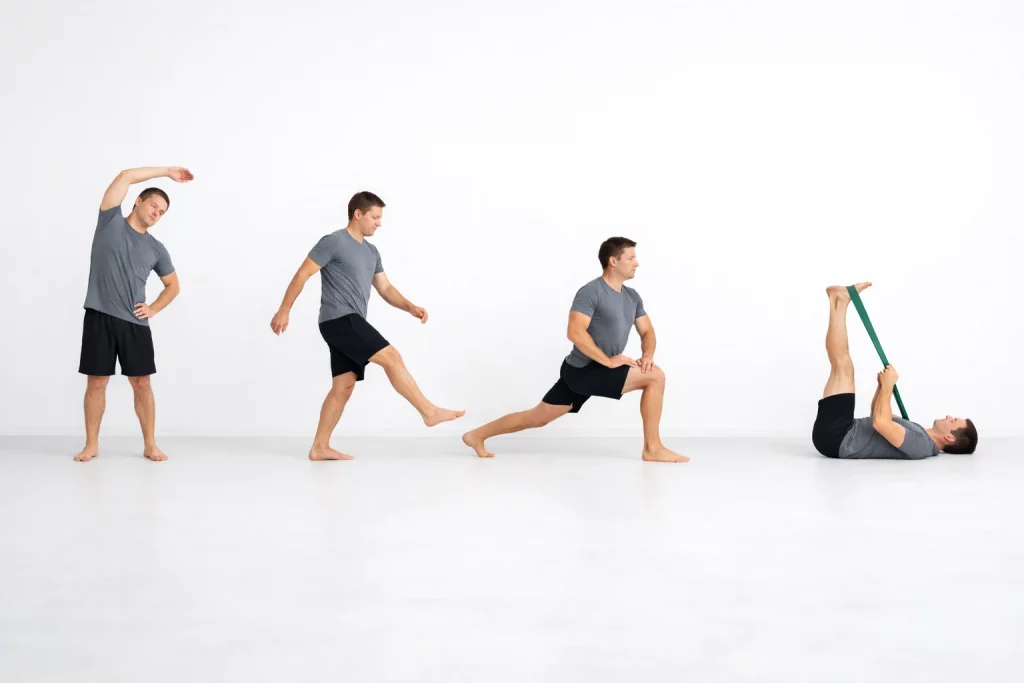
Stretching exercises come in different forms, and each one serves a different purpose. Understanding the main types of stretching helps you choose safer methods and makes it clearer why Active Isolated Stretching focuses on control rather than force.
Here’s a quick overview before we move on to AIS:
- Static stretching: holding a muscle in one position to relax and lengthen it
- Dynamic stretching: controlled movement through a range of motion
- Active stretching: using your own muscles to create the stretch
- Passive stretching: using external assistance such as gravity, a partner, or bands
This brief comparison is meant to set the foundation, not to turn into a full stretching guide.
Static Stretching
Static stretching is one of the most commonly used methods to improve flexibility. It involves extending a muscle and briefly holding the position. This approach is typically used after workouts to help muscles relax and recover.
Static stretching can be performed in two different ways:
Active stretching
In active stretching, the stretch is created by contracting your own muscles, without outside help. This method encourages better muscle control and body awareness, which can make flexibility work feel more stable and intentional.
Passive stretching
Passive stretching uses an external force, such as a partner, gravity, or resistance bands. While it can help increase range of motion, it requires less muscle engagement and may place more stress on tissues if overused.
Dynamic Stretching
Dynamic stretching uses controlled movement rather than holding a position. It is commonly included in warm-ups, helping prepare muscles and joints for activity by gradually increasing movement and coordination.
How This Connects to Active Isolated Stretching
Active Isolated Stretching builds on the idea of active muscle engagement while adding precise isolation and very short hold times. This allows muscles to move within a safe range of motion while reducing unnecessary tension.
Understanding the basic types of stretching makes it easier to see why AIS prioritises control, timing, and muscle activation instead of force or long holds.
Active Isolated Stretching
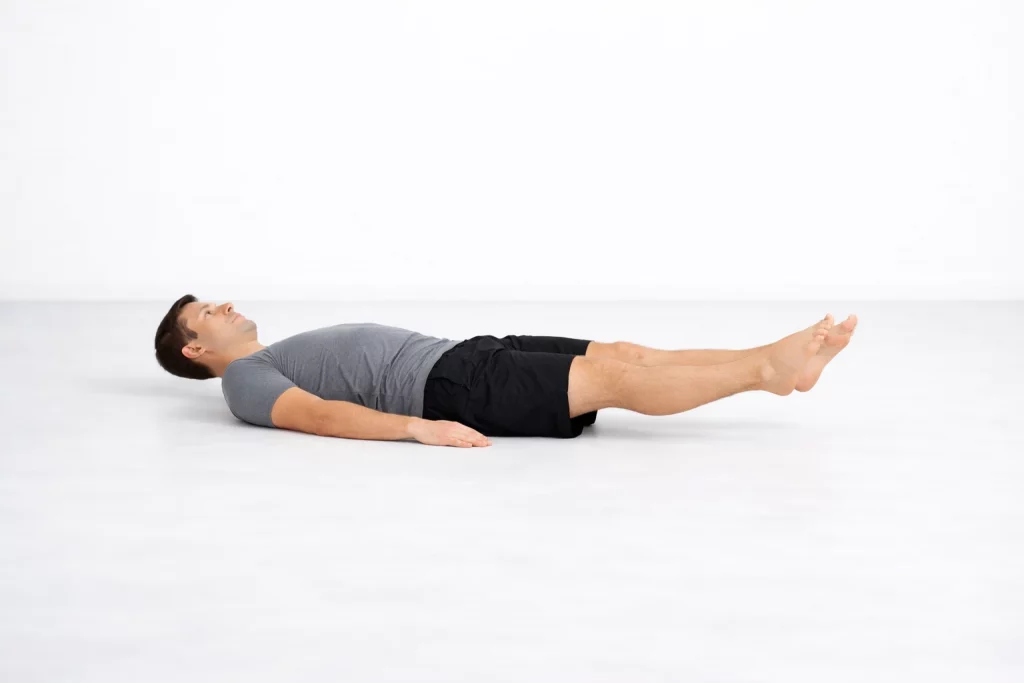
Active Isolated Stretching (AIS) is a structured stretching method focused on control, precise muscle isolation, and very short hold times. While it is based on active stretching, AIS follows a more specific approach designed to improve flexibility without unnecessary strain.
At its core, Active Isolated Stretching works by:
- Actively contracting the muscle opposite to the one being stretched
- Moving the target muscle gently within its natural range of motion
- Holding each stretch for no more than two seconds
- Releasing and repeating the movement in a controlled rhythm
The two-second rule helps prevent the body’s stretch reflex from limiting movement, allowing muscles to move more freely without forcing the stretch.
AIS emphasises isolating one muscle at a time, similar to the difference between compound vs isolation exercises in strength training. This controlled structure makes it a safer option for improving mobility, especially for those who want precision rather than intensity.
How is Active Isolate Stretching done?
Active Isolated Stretching follows a simple, repeatable pattern. The goal is not to push deeper into a stretch, but to move with control and precision.
To perform AIS correctly:
- Identify the target muscle you want to stretch and position your body so the movement stays controlled.
- Actively contract the opposing muscle to move the target muscle into a gentle stretch. This step drives the movement and protects the joint.
- Hold the stretch for no more than two seconds, then immediately release. Avoid pausing or forcing the position.
- Return to the starting position and repeat the movement several times in a smooth, steady rhythm.
Each repetition should feel light and controlled rather than intense. Progress in AIS comes from consistent, short movements rather than holding a stretch longer.
This structure sets the foundation for understanding where people commonly go wrong, which we’ll cover next.
Common Mistakes in AIS
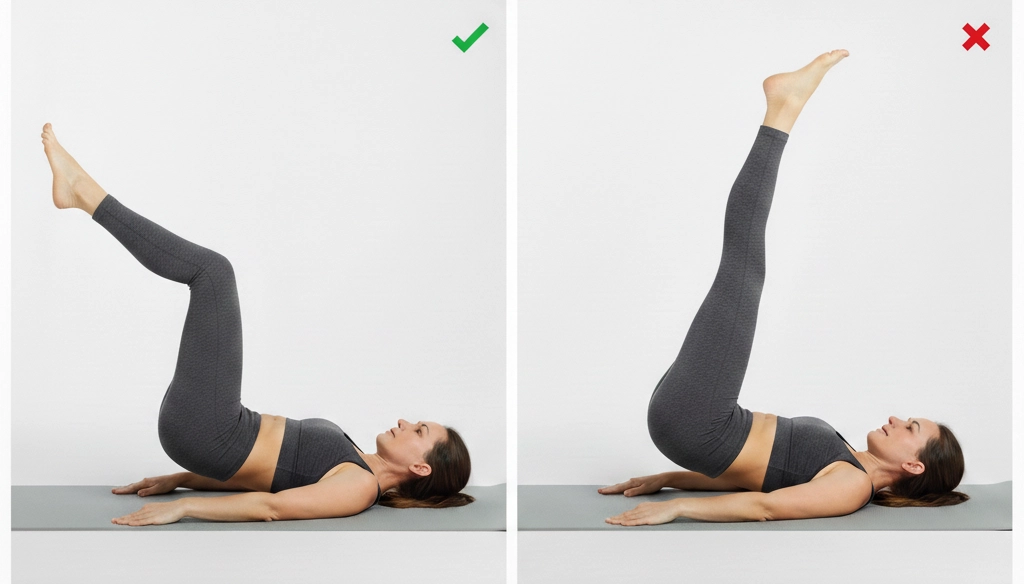
Active Isolated Stretching is effective only when its key rules are followed. Most problems come from a few recurring mistakes that either reduce results or increase strain.
The Most Critical Mistakes
These errors undermine the method itself and should be avoided first:
- Holding the stretch for too long
AIS relies on very short holds. Holding a stretch beyond two seconds triggers the stretch reflex, which works against flexibility and control. - Skipping the opposing muscle contraction
The stretch should be driven by actively contracting the opposite muscle. Without this step, AIS turns into a passive stretch and loses its safety and precision.
Common Technique Issues
These mistakes are less severe but can limit progress or cause discomfort over time:
- Using excessive force
AIS is not about pushing deeper. Forcing a stretch increases tension and raises the risk of irritation or injury. - Rushing or inconsistent repetitions
AIS works through smooth, repeated movements. Jerky motions or inconsistent reps reduce its effectiveness. - Holding your breath
Poor breathing increases muscle tension and makes controlled movement harder. Breathing should stay calm and natural throughout each repetition.
Avoiding these mistakes helps keep AIS controlled, effective, and aligned with its original purpose: improving mobility without overstressing the muscles.
What are the benefits of AIS?
Active Isolated Stretching offers practical benefits that go beyond simply stretching more. Its short, controlled movements allow muscles to lengthen safely without placing unnecessary stress on the tissues.
Research suggests that active stretching methods can improve flexibility without reducing muscle strength, which supports the safety of approaches like AIS that avoid long static holds. This has been highlighted in recent findings published on PubMed, showing that controlled active stretching can preserve strength while improving range of motion.
Key Benefits of Active Isolated Stretching
| Benefit | Why it matters |
| Improved range of motion | Short, repeated movements help joints move more freely without triggering protective reflexes. |
| Better flexibility control | Gradual muscle lengthening feels more stable and easier to manage over time. |
| Reduced unnecessary muscle tension | Gentle activation limits excessive tightening caused by forced stretches. |
| Lower risk of overstretching | Limiting holds to two seconds helps protect muscles and connective tissue. |
| Useful for warm-ups and recovery | Can prepare muscles for activity or support recovery without fatigue. |
| Supportive during rehabilitation | Controlled movement helps maintain mobility while avoiding excessive strain. |
Rather than pushing muscles to their limits, AIS prioritises precision and consistency, making it easier to use regularly without discomfort.
Who May Benefit Most From AIS?
AIS can be useful for people who prefer controlled movement over aggressive stretching, including:
- Individuals experiencing joint stiffness or limited mobility
- People returning to activity after injury, with professional guidance
- Those managing recurring tension in areas such as the hips, hamstrings, or lower back
AIS is not a medical treatment. Anyone with ongoing pain or a diagnosed condition should consult a qualified professional before starting a new stretching routine.
Some common AIS exercises to improve your muscles
The following active isolated stretching exercises apply the core principles of AIS, including active contraction of the opposing muscle, very short hold times, and controlled repetition. Each movement should be held for no more than two seconds, then released and repeated.
Supine Hamstring Stretch
- Starting position: Lie on your back with one leg extended upward, the other relaxed on the floor
- Active muscle: Quadriceps
- How to move: Contract the quadriceps to lift the leg until a gentle hamstring stretch is felt
- Hold: 2 seconds
- Repetitions: 6–10 per side
- Key cue: Let the muscle contraction drive the movement, not momentum
Hip Flexor Stretch (Lunge Position)
- Starting position: Split or kneeling lunge
- Active muscle: Glutes
- How to move: Gently contract the glutes to shift the hips forward
- Hold: 2 seconds
- Repetitions: 6–10 per side
- Key cue: Keep the torso upright and avoid arching the lower back
Lateral Trunk Flex
- Starting position: Stand upright with hands lightly behind the head
- Active muscle: Opposite-side trunk muscles
- How to move: Slowly bend to one side using muscle control
- Hold: 2 seconds
- Repetitions: 6–10 per side
- Key cue: Move smoothly without bouncing or collapsing
These exercises are designed to be gentle and repeatable. If a stretch feels intense or requires force, reduce the range of motion and refocus on muscle control rather than depth. While these movements can be done independently, some people find it helpful to get guidance on timing and form. An online personal trainer can offer feedback and structure, especially when learning Active Isolated Stretching for the first time.

Final Words
Active Isolated Stretching is a simple but precise approach to improving mobility. Its effectiveness comes from control, short hold times, and active muscle engagement, not from pushing deeper or holding longer.
If you decide to use AIS, start gently and focus on the basics. Remember that the two-second rule and contracting the opposing muscle are what make this method different from general stretching. Consistency matters more than intensity, especially when you’re just getting started.
You can begin with the exercises in this guide and adjust the range of motion as your control improves. If you’re unsure about timing, form, or muscle activation, getting feedback from a qualified professional can help you apply AIS more confidently and safely.
Used correctly, Active Isolated Stretching can become a reliable part of your routine for maintaining flexibility and moving with less tension over time.