

Yoga for beginners isn’t just for people who can bend like pretzels. These days, it’s one of the most popular ways to ease stress, sharpen focus, and boost your overall well-being. According to The Good Body, about 10% of the U.S. population—roughly 34.4 million people—practice yoga today. Globally, the number is even bigger: more than 300 million people make yoga part of their daily routine.
Maybe you’ve been telling yourself, “One day I’ll start.” Well, 2026 is the perfect time to finally roll out the mat. Whether you’d rather try a simple beginner yoga routine at home or step into a studio, this guide will walk you through the basics, highlight the real benefits, and show you how to take your very first steps with confidence.
So, are you ready to find out why yoga could be one of the smartest choices you make this year?
What Is Yoga and Why Start in 2026?
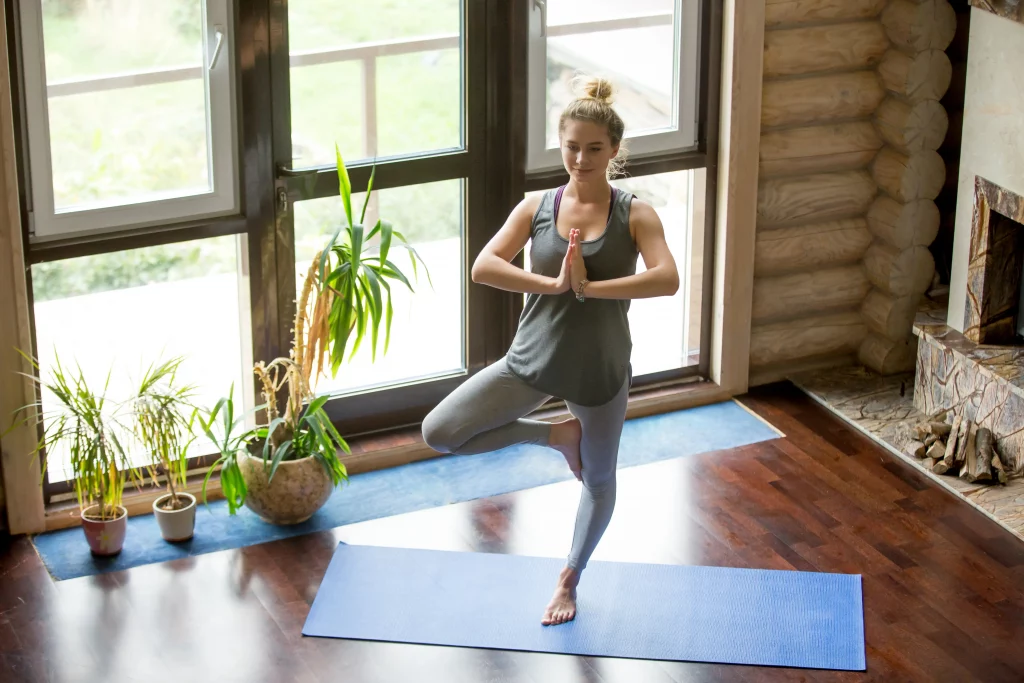
Yoga for beginners can feel a little confusing at first. You’ve probably heard it’s thousands of years old, but what does that really mean when you’re just starting today? At its heart, yoga is a simple practice that blends movement, breathing, and mindfulness in one flow.
It’s not just exercise, and it’s not only meditation. What makes yoga unique is how it combines physical movement with mindful breathing. That’s the reason it has lasted for centuries, and it’s also why trying the best yoga for beginners in 2026 can be one of the smartest choices you make for your health.
Next, let’s see exactly how yoga supports you as a beginner and why it matters more than ever right now.
A practice for the body and the mind
As a beginner, you’ll notice that yoga routines for beginners aren’t just about stretching. They help you build real strength in your core, improve flexibility, and find better balance in everyday movements.
At the same time, mindful breathing and gentle poses ease stress, clear away mental fog, and even support better sleep. Research from Harvard Health shows that practicing regularly can lower blood pressure, boost your immune system, and improve overall mental health. So the benefits go far beyond the mat and show up in almost every part of daily life.
Why 2026 is the perfect time to begin
The good news is you don’t have to live near a studio or pay for pricey memberships anymore. These days, you can simply roll out a mat, try yoga at home, and still get guidance that feels personal.
With online yoga classes for beginners, certified teachers guide you through live video sessions, while apps and YouTube channels let you practice at your own pace. These virtual yoga teachers will tailor each session to your comfort level—making home practice feel just as real as studio time.
Affordable equipment and small home spaces make it easier than ever to build a routine without breaking the bank. That’s why 2026 feels like the perfect time to start. You’ve got more options, more guidance, and fewer barriers standing in your way.
The Key Benefits of Yoga for Beginners
When you think about yoga for beginners, it’s easy to assume the benefits will take a long time to show up. The truth is, you’ll start noticing changes much sooner than you expect. And the best part? Those benefits go way beyond your body. They touch your mind, your energy, and even the way you move through your daily routine.
Next, let’s break down the key benefits into physical, mental, and lifestyle changes you’ll actually feel once you start practicing.
Physical benefits
The first change most beginners feel is flexibility. Simple moves like reaching for your toes or twisting your back start to feel easier after just a few weeks. Practicing yoga for beginners also brings other physical benefits:
- Builds strength in your core
- Improves posture, especially if you sit for long hours
- Enhances balance in daily tasks, from climbing stairs to carrying groceries
These small physical wins show up quickly, and they’re often the boost you need to keep coming back to the mat.
Mental benefits
Yoga doesn’t just shape your body. It also changes the way your mind works day to day. Those who follow yoga routines for beginners notice they can focus longer on tasks, whether it’s studying, working, or even having calmer conversations.
Breathing practices lower cortisol, the stress hormone, and that brings a range of mental benefits:
- Lifts your mood and reduces stress
- Improves memory and decision-making
- Helps you stay calm and focused under pressure
Over time, yoga builds a steady, balanced mental state instead of short bursts of energy that fade away. You’ll feel more grounded and clear-headed in your everyday life.
Lifestyle benefits
This is where yoga for beginners starts to influence more than just your workouts. Once you build the habit, it naturally shapes the way you live and how you move through your day. The simple discipline of showing up for practice creates momentum that spills into other parts of life.
Some lifestyle benefits you’ll notice:
- Healthier daily choices, like eating better and sleeping earlier
- Stronger self-discipline to stay consistent with other goals
- Better time management by valuing small chunks of focused effort
- A sense of belonging if you join yoga classes for beginners or group sessions
Over time, these small shifts add up. What begins as a simple practice can quickly become the foundation for a more balanced and intentional lifestyle.
Types of Yoga Styles Explained
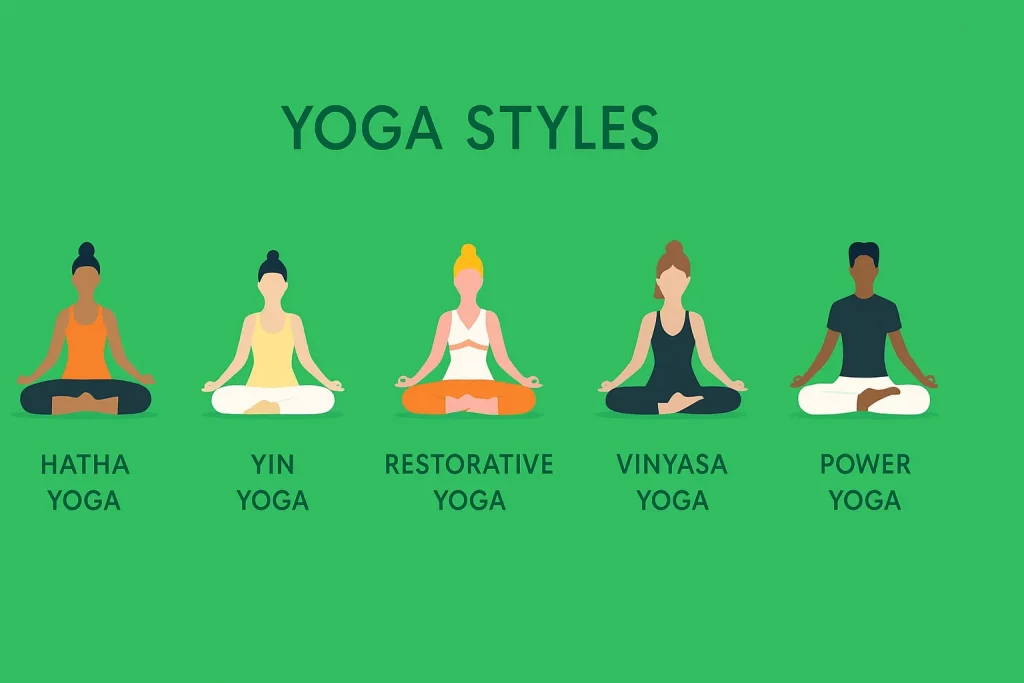
When you’re new, one of the first questions that comes up is, “Which style of yoga is right for me?” The good news is you don’t need to know them all before you start. A few beginner-friendly styles cover most needs, and you can always try different ones to see what feels best for you.
Here’s a quick breakdown of the most common options:
- Hatha Yoga
This is where most people start. It’s slow, simple, and steady. If you want yoga for beginners that teaches you the basics step by step, Hatha is a safe choice. - Vinyasa Yoga
Think of this as flow. You move from one pose to the next like a gentle workout. It’s perfect if you like a bit of energy and don’t want your practice to feel too slow. - Yin Yoga
Great for letting go of tension after sitting all day. You hold each pose for a few minutes, so it’s calm but deep. If you’re into yoga at home and want something relaxing at night, Yin is a solid pick. - Restorative Yoga
This one’s all about total relaxation. You use props like pillows or blankets, get comfortable, and let your body fully rest. If stress relief is your main goal, restorative practice feels like hitting the reset button. - Power Yoga
Faster, stronger, and sweatier. If you’re already active and want yoga that feels more like a workout, Power Yoga will give you the challenge you’re looking for.
So how do you choose? Ask yourself if you want to relax, stretch deeply, or build strength. Your answer will guide you toward the right style. And remember, the best yoga for beginners is the one you enjoy enough to keep coming back to the mat.
Learning Yoga Online vs In-Studio
One of the biggest choices for beginners is whether to start with online yoga classes for beginners or join an in-person studio. Both can work well, and the right pick depends on your lifestyle, budget, and what feels comfortable for you.
Here is a quick look at what each option offers:
| Option | Pros | Cons | Price (Per session) | Best For |
| Online Yoga Classes | Flexible schedule, Practice at home, Affordable, Global access to teachers | Less personal correction, Needs self-motivation | $25–$50 | Busy people, Beginners on a budget, Those who prefer privacy |
| In-Studio Classes | Easier posture correction and hands-on feedback, Social energy, Dedicated space, fewer distractions | Higher cost, Fixed schedule, Commuting required | $60–$100 | Beginners who want close guidance, People who enjoy group settings |
If you want flexibility and privacy, starting with yoga at home through online classes is often the easiest way. But if you learn best with someone adjusting your posture in person and enjoy the energy of a group, in-studio sessions might feel better.
The best part is you don’t have to choose forever. Many beginners start online for convenience, then try a studio later once they feel more confident. Start where it feels easiest. The best practice is the one you’ll actually stick with.
How to Start Yoga at Home in 2026
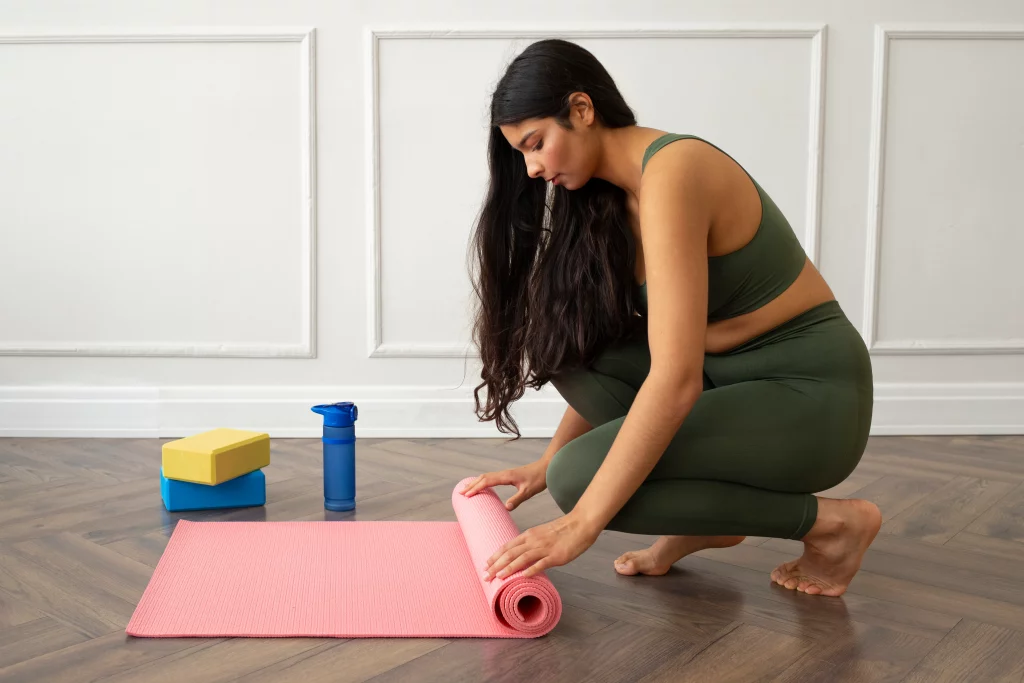
Getting started with yoga at home doesn’t take much. You don’t need fancy gear or a big space. A simple yoga mat and a quiet corner are enough to begin. Pick a spot where you can stretch without hitting furniture. Natural light is a bonus, and a bit of calming music or even a candle can set the mood.
What equipment do you really need?
You don’t have to spend a lot to get comfortable. A few basics make a big difference:
- Yoga mat: Choose one with a non-slip surface for safety in standing poses. If you’re not sure which type works best, check this guide on the difference between a Pilates mat and a yoga mat.
- Blocks and straps: Helpful for support and alignment, though optional for beginners.
- Comfortable clothing: Go with soft, breathable fabrics that let you move freely.
Setting up your space
Clear a small area where you can stretch your arms wide without obstacles. The main goal is to keep distractions away and create a spot you enjoy returning to.
Joining online classes
Starting yoga at home doesn’t mean figuring it out alone. There are plenty of options:
- Apps and YouTube videos: Quick, self-paced, and full of variety.
- Live online group sessions: You’ll practice with others in real time, get feedback from your teacher, and stay motivated through shared energy.
- Private online instructors: One-on-one coaching for personalized feedback and faster confidence. You can also find certified online yoga instructors who match your style and goals.
The best approach is to experiment. Some people love the structure of live classes, while others enjoy the freedom of self-guided practice. Finding what fits your lifestyle is what makes yoga at home sustainable—and it’s also how you discover the best yoga for beginners.

Safety and Common Mistakes to Avoid
When you are new to yoga, it’s easy to get excited and push too far. Most beginner mistakes happen when you move too quickly or ignore basic safety rules. The good news is that a safe yoga practice is simple once you know what to watch for.
Here are a few tips to keep your practice safe:
- Warm up and cool down: Even a few minutes gets your muscles and joints ready, and cooling down prevents stiffness later.
- Listen to your body: A gentle stretch is fine, sharp pain is not. Practicing yoga for beginners at home should feel challenging but never painful.
- Breathe steadily: Holding your breath makes your body tense. Smooth breathing keeps you calm and helps you move deeper into each pose.
- Check your alignment: Small tweaks matter. Rounding your back or locking your knees can lead to injuries over time. Trusted tutorials or beginner online classes help you learn safe form.
- Take breaks when you need them: Resting in Child’s Pose isn’t failing. It’s part of safe practice and shows you’re listening to your body.
Staying safe doesn’t mean holding back. It means building a routine you can enjoy for years without injuries. Once you avoid these common mistakes, your confidence grows and every session feels more rewarding.
Tips for Staying Consistent With Yoga Practice
It’s normal to feel excited during your first week of yoga, but the real challenge is keeping the habit going. The good news is consistency doesn’t mean long daily sessions. It’s about building a beginner yoga routine that actually fits your life.
Here are a few tips that make it easier to stay on track:
- Pick a realistic schedule
Morning or evening, choose what feels natural for you. If you are not sure, here is a guide on the best time to do yoga to help you decide. - Track your progress
Write down how you feel after each session. Seeing the changes, even small ones, keeps you motivated. - Celebrate small wins
Maybe your balance is better, or you finally nailed a pose that felt impossible last month. These moments prove that your consistency is working. - Be kind to yourself
Skipping a day isn’t the end. What matters is getting back on the mat and continuing your practice
Consistency isn’t about being perfect. It’s about showing up often enough until yoga feels like a natural part of your day. Once that happens, moving into more advanced yoga classes for beginners or trying new styles will feel effortless.
Conclusion
You don’t need perfect flexibility or expensive gear to start yoga for beginners. What matters is beginning with a simple routine and staying consistent. Even short sessions at home can make a real difference, from sharper focus to less stress.
The best approach is to do what feels right for you. Some people love the comfort of practicing at home, while others enjoy the energy of group sessions.
💬 So, have you already tried yoga, or are you just thinking about it? Share your experience or questions in the comments. Your story might be exactly what inspires someone else to start their own journey.