
You’ve probably seen these tiny black-and-white seeds popping up in recipes, smoothies, and even puddings. Chia seeds (Salvia hispanica) originate from Mexico and Guatemala. Don’t let their size fool you—these little ovals are loaded with fiber, plant-based omega-3 (ALA), protein, and essential minerals that can easily boost your daily nutrition.
A lot of people talk about Chia for weight loss. And yes, because of their high fiber, they soak up liquid and can help you feel full for longer. But here’s the truth: recent meta-analyses suggest Chia isn’t a weight-loss shortcut on its own; the more consistent benefits are modest reductions in blood pressure (a key heart-health marker), with mixed findings for waist circumference.
In this guide, we’ll break down what’s really inside Chia seeds, how it can (and can’t) help you, and some easy, tasty ways to use it every day.
Nutrition Facts About Chia Seeds
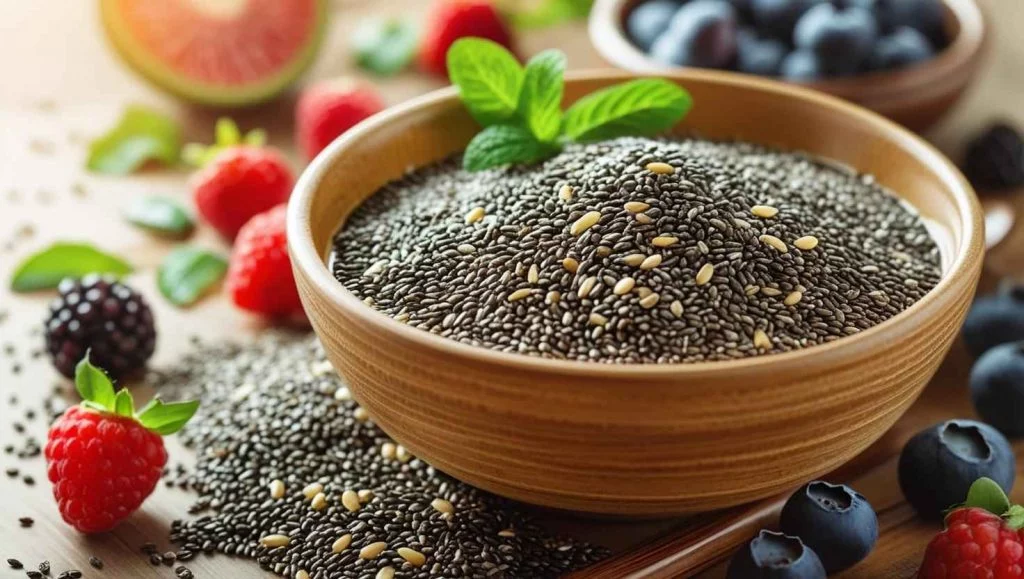
Chia (Salvia hispanica) is a tiny black-and-white seed that you can mix into drinks or sprinkle over cereal, yogurt, salads, and more. This desert plant is naturally rich in heart-healthy omega-3 fatty acids, protein, antioxidants, fiber, and calcium. It’s also high in essential amino acids such as methionine, isoleucine, leucine, and lysine.
Your body can absorb Chia seeds without grinding, unlike flax seeds. Another interesting fact is that they are an unprocessed, whole-grain food—ready to eat as they are.
According to the USDA FoodData Central, here’s the nutritional breakdown for 100 grams of Chia seeds:
| Calories | 486 kcal |
| Protein | 16.5 g |
| Fat | 30.7 g (mostly healthy unsaturated fats, including omega-3 ALA) |
| Carbohydrates | 42.1 g |
| Dietary fiber | 34.4 g |
| Sodium | 16 mg |
| Niacin (B3) | 8.83 mg |
| Riboflavin (B2) | 0.17 mg |
| Thiamin (B1) | 0.62 mg |
| Magnesium | 335 mg |
| Phosphorus | 860 mg |
| Potassium | 407 mg |
| Iron | 7.72 mg |
| Calcium | 631 mg |
| Cholesterol | 0 mg |
For everyday use, here are the common serving sizes:
- ¼ cup (42 g): 200 kcal, 13 g fat, 18 g carbs, 7 g protein, 0 mg cholesterol
- 1 tablespoon (12 g): 58 kcal, 4 g fat, 5.1 g carbs, 2 g protein, 0 mg cholesterol
Chia seeds are naturally sugar-free, rich in plant protein, and contain all essential amino acids, making them a rare complete plant-based protein source. They’re also loaded with minerals like calcium, magnesium, and phosphorus, which are essential for bone health.
Significant Health Benefits Of Chia Seeds
Chia seeds may be small, but they deliver a range of nutrients that can support your overall health. Here are some of their most notable potential benefits:
1. Helps with Weight Control
Chia seeds are rich in fiber, meaning they absorb water and expand in your stomach—helping you feel full for longer. But do they actually help with weight loss? A 2025 meta-analysis found that Chia lowered blood pressure but did not significantly affect body weight, BMI, or waist circumference.
Bottom line: Chia isn’t a magic weight-loss food, but it may help with satiety, trimming your waistline, and improving certain health markers when part of a balanced diet.
If weight loss is your goal, an online personal trainer can help you build an exercise routine that complements your broader healthy habits.
2. Supports a Healthy Heart
Chia seeds are rich in alpha-linolenic acid (ALA), a plant-based omega-3 fatty acid that may help reduce inflammation and support cardiovascular health. Their fiber content can also help lower LDL cholesterol and maintain healthy blood pressure levels.
Some RCTs (mainly in overweight adults) suggest Chia may modestly lower systolic blood pressure (and CRP), with no consistent effects on lipids or glycemic markers; it’s best considered as part of an overall heart-healthy lifestyle rather than a standalone fix.
3. Keeps Bones Strong
Just one ounce (28 g) of Chia seeds contains about 18% of your daily calcium needs—more calcium per gram than dairy. They also provide magnesium and phosphorus, which play essential roles in bone density and strength.
4. Helps Manage Blood Sugar
The combination of fiber, protein, and healthy fats in Chia seeds can help slow carbohydrate digestion, reducing blood sugar spikes after meals. Chia may blunt post-meal glucose spikes, but evidence in type 2 diabetes hasn’t shown consistent improvements in HbA1c or fasting glucose.
Chia Seeds vs. Flax Seeds
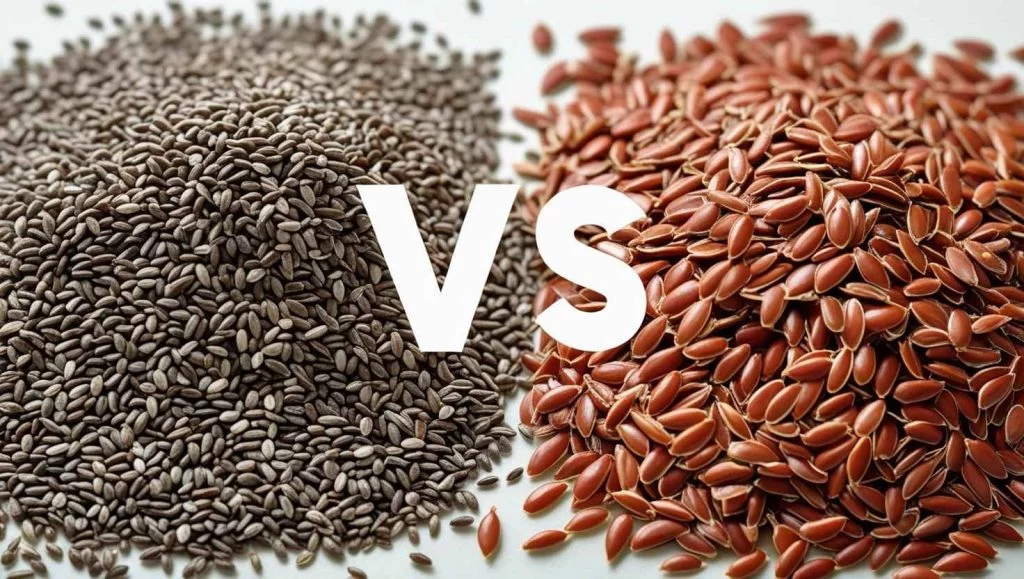
Both Chia seeds and flax seeds are nutrient-rich and versatile, but they have some key differences:
- Omega-3 content: Flax seeds have slightly more alpha-linolenic acid (ALA), a plant-based omega-3, but Chia seeds don’t require grinding for absorption.
- Calcium: Chia wins here, with more calcium per gram than flax.
- Fiber: Both are high in fiber, but Chia has a slight edge in soluble fiber, which can help with fullness.
- Protein: Similar amounts, though flax has a bit more overall protein per serving.
- Taste & texture: Chia has a mild flavor and forms a gel in liquid, while flax has a nuttier taste and works well ground into baked goods.
Bottom line: Both are excellent choices for a healthy diet—choose Chia for convenience and calcium, flax for a stronger omega-3 boost.
Potential Problems
Like any healthy food, eating too much Chia can cause issues for some people. Here’s what to watch out for so you can enjoy its benefits safely:
- Digestive issues: Chia is very high in fiber. Eating a large amount all at once—especially without enough water—can lead to bloating, constipation, or even diarrhea. Start with small portions and always drink plenty of fluids.
- Allergic reactions: Although rare, some people are allergic to Chia seeds. Signs may include itchy lips or tongue, skin rashes, or nausea. If you notice any of these, stop consuming Chia and consult a healthcare professional.
- Possible drug interactions: Since Chia can slightly lower blood sugar and blood pressure, it may interact with medications for diabetes or hypertension. If you take these medications, check with your doctor before adding large amounts to your diet.
By keeping these points in mind, you can enjoy Chia’s amazing benefits without worry.
Make Everything Tasty With Chia
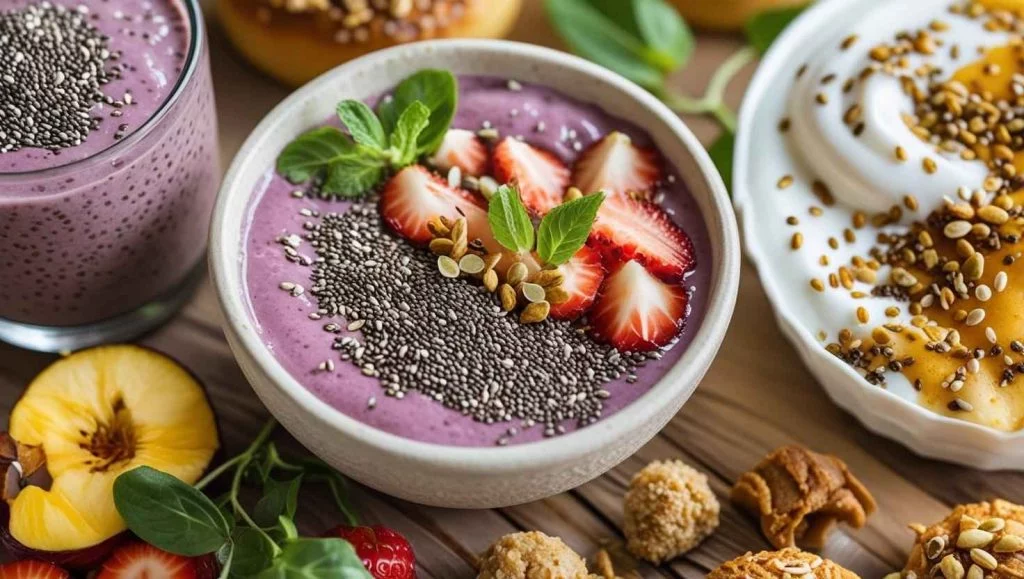
You can find Chia seeds in almost every grocery store these days, or order them online. Once you have them at home, there are plenty of delicious ways to use them:
- Add to juice or milk – Let them soak for a few hours to make a creamy Chia pudding. Top it with fresh fruit, melted chocolate, or chocolate chips for extra flavor.
- Replace eggs in baking – Mix 1 tablespoon of Chia seeds with 3 tablespoons of water and let it sit for about 15 minutes. This creates a gel that works as a vegan egg substitute.
- Make a Chia gel – Stir it into smoothies or drinks for added texture and nutrients.
- Sprinkle on top – Add them to salads, yogurt, oatmeal, or fresh fruit for a light crunch and a nutrient boost.
Chia seeds are versatile, so don’t be afraid to experiment—whether you’re making breakfast, a snack, or even dessert.
How to Store Chia Seeds
Dry Chia seeds have a long shelf life and can last for about five years if stored in a cool, dry, and dark place. An airtight container is best to keep out moisture and pests.
Once soaked in liquid, store hydrated Chia in the refrigerator and consume it within about one week. Always store them in a sealed container to prevent absorbing other odors from the fridge.
Conclusion
Chia seeds are nutrient-packed, versatile, and easy to add to your meals. They may support heart health, bone strength, and help manage blood pressure and blood sugar. Thanks to their fiber, they can also promote fullness, but they’re not a magic weight-loss solution.
Enjoy them in smoothies, puddings, salads, or baked goods, and store dry seeds in a cool, dry place for long-lasting freshness.
💬 Chia lovers, what’s your #1 must-try recipe? Drop it in the comments—we’re building the ultimate chia cheat sheet together.
