
Have you ever wondered what’s truly the best time to do yoga—morning, afternoon, or evening? The truth is, the perfect time is the one that fits your lifestyle and becomes a habit, because consistency matters more than the clock. In this guide, we’ll compare morning, midday, and evening yoga—exploring their benefits, challenges, and even the best yoga styles for each—so you can find the time that makes your practice stick.
The Best Time to Do Yoga for You
The best time of day to do yoga is the time you’ll actually show up. In fact, a 2024 study found that morning sessions can boost mood and improve sleep quality more effectively than evening practice. Still, what matters most is choosing a time that works for your lifestyle—whether that’s starting the day fresh with morning yoga, breaking up the afternoon with a quick stretch, or winding down at night with a calming flow. There’s no “wrong” choice here. Pick the time that feels right, commit to it, and make it part of your routine.
How to Find Your Ideal Yoga Time
Not sure when the ideal time to do yoga is for you? Ask yourself these quick questions and you’ll have your answer in minutes:
- When do you feel most energetic? Morning, midday, or evening—pick the time when your body feels ready to move.
- What’s your goal? Morning yoga is great for energy, afternoon sessions are perfect for breaking up the day, and evenings help you relax.
- What’s realistic for your schedule? Choose a time you can commit to most days without stressing about it.
- Do you want company or quiet? If you like group classes, check local studio times. If you prefer solo practice, pick a quiet moment at home.
Remember—the best time of day to do yoga is the one you’ll actually stick to, no matter what the “rules” say. Once you decide, make it a habit and watch how it transforms your day.
Morning Yoga
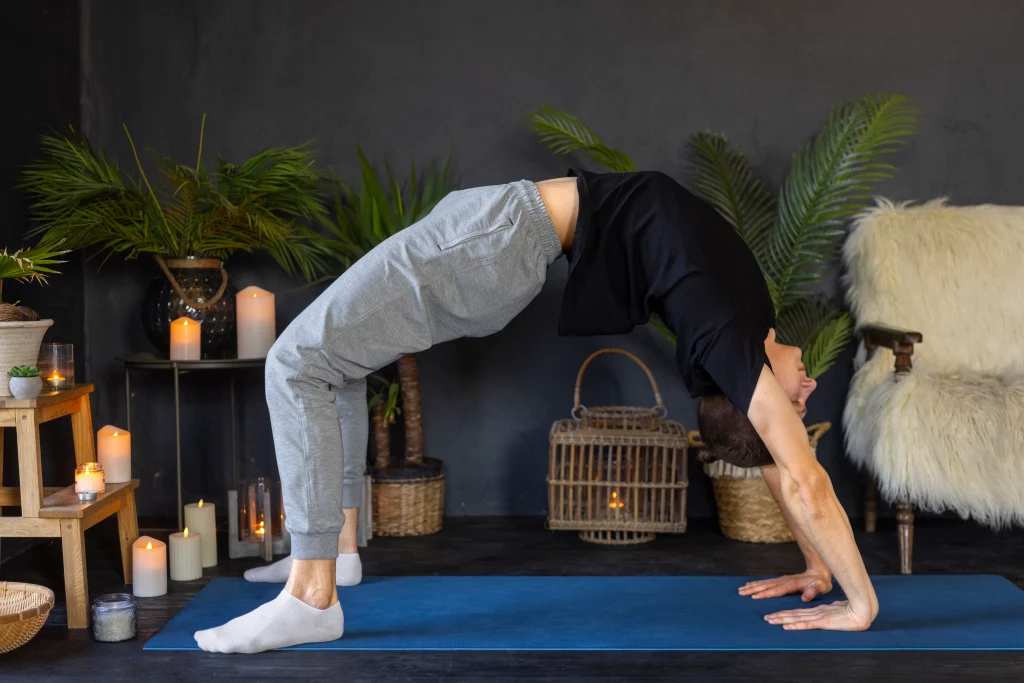
Morning yoga can be one of the best ways to start your day. It gently wakes up your body, sets your mood, and helps you step into the day with energy.
✨ Benefits
- Wakes up your body and boosts morning energy.
- Works with your body’s natural cortisol peak for focus and alertness.
- Creates an early sense of accomplishment to carry through the day.
⚠️ Challenges
- Your body may feel stiff right after waking up.
- Requires getting up a little earlier than usual.
💡 Tips
- Start with gentle stretches or a few rounds of Sun Salutations.
- Drink a glass of water or light herbal tea before practice.
- Even a quick 10-minute morning yoga flow is enough to start your day right.
Afternoon Yoga
If mornings feel too rushed and evenings too slow, the afternoon might be your sweet spot. By this time, your body is naturally warmer, and your mind can use a reset.
✨ Benefits
- Your body is warmer and more flexible than in the morning.
- Great for breaking up long hours of sitting and reducing stress.
- Restores focus and energy to finish the day strong.
⚠️ Challenges
- Afternoon slump or hunger may interfere.
- Harder to fit into a busy work or school schedule.
💡 Tips
- Have a light snack if you’re feeling hungry before practice.
- Keep it short: 15–20 minutes can be enough to reset.
- Choose poses that open the chest and stretch the spine after sitting.
Evening Yoga
Evening yoga is perfect for slowing down, shaking off the stress of the day, and preparing your body for restful sleep.
✨ Benefits
- Helps release stress and tension from the day.
- Supports digestion and prepares the body for sleep.
- Calms both the mind and muscles after a busy schedule.
⚠️ Challenges
- Intense evening flows may leave you too energized to fall asleep.
- Easier to skip if you feel tired at night.
💡 Tips
- Stick to restorative or calming styles like Yin Yoga.
- Focus on gentle stretches and deep breathing.
- Create a soothing atmosphere with soft light or candles.
Best Types of Yoga for Each Time of Day
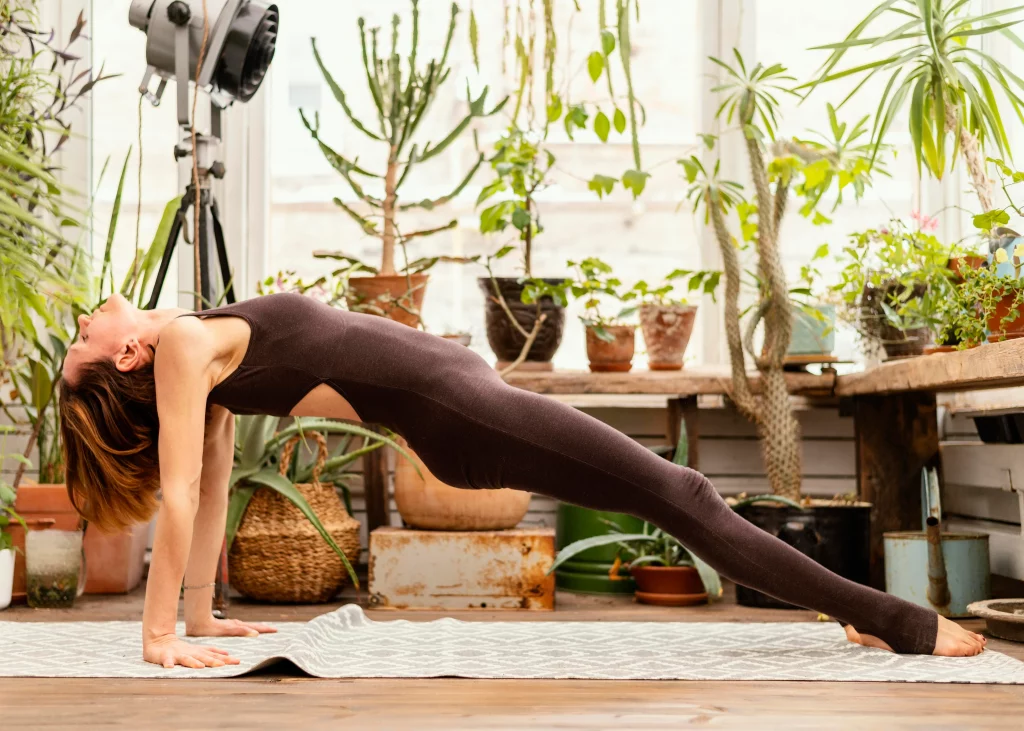
Different times of day can make some yoga styles feel better than others. Here’s a quick guide to the best types of yoga for each time of day:
- Morning – Go for energizing flows like Vinyasa or Sun Salutations to wake up your body, boost your mood, and start the day feeling fresh.
- Afternoon – Try Hatha or Power Yoga to stretch out after sitting, improve posture, and recharge your energy for the rest of the day.
- Evening – Choose calming practices like Yin Yoga or Restorative Yoga to relax your muscles, ease stress, and prepare for restful sleep.
You don’t have to follow this strictly—mix and match based on how you feel that day and your personal goals.
Pro Tips for Staying Consistent
The hardest part of yoga isn’t the poses—it’s showing up on the mat every time. Here are a few tips for consistent yoga practice to help you stay on track:
- Set a reminder – Treat yoga like any other important appointment and block it on your calendar.
- Pick a fixed time – Whether it’s morning, afternoon, or evening, choose a slot that works for you and stick to it. If you need extra motivation or guidance, an online yoga instructor can help you stay consistent and make your practice more enjoyable.
- Prepare your space in advance – Keep your mat and props ready so you can start without excuses.
- Start small – Even 10 minutes counts. Short sessions are better than none.
- Track your progress – Use a journal or app to see how often you practice and how you feel after.
- Make it enjoyable – Play music you love, light a candle, or choose a spot with good natural light.
Remember, when it comes to yoga, consistency beats perfection—just keep showing up, and the benefits will follow.

Dos and Don’ts of Yoga
✅ Do:
- Wear comfortable clothing – Pick something that lets you move freely without distractions.
- Choose a quiet space – The calmer your surroundings, the easier it is to focus and enjoy your practice.
- Stay hydrated – Drink water before your session, but avoid chugging right before you start (especially for morning yoga).
- Warm up gently – A few light stretches or breathing exercises help prepare your body for deeper poses.
- Find your ideal time – Whether it’s morning, afternoon, or evening, stick with a time that works for you and your lifestyle.
❌ Don’t:
- Practice right after a heavy meal – Wait at least 2–3 hours after eating to avoid discomfort like bloating or cramps.
- Push yourself too hard – Skip advanced or intense poses unless you’re trained or working with an instructor.
- Practice under harsh sunlight – Especially during hot weather, choose a shaded or indoor spot to avoid overheating.
- Ignore your body’s signals – If you feel pain or dizziness, stop and rest.
- Skip breathing – Holding your breath can cause tension and fatigue. Breathe steadily throughout (especially in evening yoga to help you relax).
Conclusion
There’s no universal best time of day to do yoga—it’s all about what works for you. Morning sessions can energize your day, afternoons can give you a refreshing reset, and evenings can help you relax and sleep better.
What matters most is showing up on the mat regularly, even if it’s just for 10 minutes. Listen to your body, choose your good time to do yoga, and make it a steady part of your routine. Over time, you’ll notice the difference in your energy, mood, and overall well-being.
So, grab your mat, choose your time, and start today—you’ll thank yourself later.
💬 We’ve talked about the pros and cons of morning, afternoon, and evening yoga—but what about you? When do you feel your best on the mat? Share your favorite time (and why!) in the comments below. Your experience might inspire someone else to find their own ideal time to do yoga.
