

Personal trainer costs in Toronto vary a lot. Maybe you’ve seen sessions for CA$150 or more at a luxury gym, around CA$60 to CA$80 at a smaller facility, or as low as CA$5 online. But here’s the question: do you really need to spend CA$150 for one session, or can you get similar support for much less? Is a higher price always better training, or is it sometimes just a different level of service?
If you’ve ever compared trainers, you know the uneasy feeling of not being sure what’s worth it. Even after booking a session, the question remains: Will this fit my lifestyle? Am I cutting corners if I choose the cheaper option?
That’s exactly what this 2026 guide is here for. Together, we’ll break down the real numbers: the difference between online and in-person training, what the average costs look like in Toronto, and the smart ways you can cut expenses without losing results.
Average Cost of a Personal Trainer in Toronto (2026)
The average cost of a personal trainer in Toronto typically falls between CA$60 and CA$180+ per session for one-on-one coaching. But that’s only part of the picture. Prices can vary depending on the trainer’s experience, certifications, whether you train online or in person, and even where the sessions take place.
The rates shown below are based on standard 60-minute sessions, which is what most personal trainers in Toronto offer.
| Training type | Typical Price Range (Per Session) |
| In-Person Training (One-on-One) | CA$60–CA$180+ |
| In-Person Small Group Training | CA$21–CA$82 |
| In-Home Personal Training | CA$60–CA$150 |
| Online Personal Training (One-on-One) | CA$5–CA$209 |
| Online Personal Training (Small Group) | CA$15–CA$90 |
A few things can have a big impact on what you pay:
- Session length: The price ranges shown in the table above are generally based on 60-minute sessions. Some trainers also offer shorter 30- or 45-minute sessions, while others work with clients for 75 or even 90 minutes at a time.
- Specialized coaching: Trainers who focus on corrective exercise, athletic performance, postpartum fitness, or injury-conscious training often charge more because of their additional education and experience.
- Location: A trainer based in King West, Yorkville, the Financial District, or a private downtown studio will often cost more than someone working from a community gym, condo gym, or less central area. In some cases, rates can be 20% to 50% higher, depending on demand, facility costs, and the level of service.

What These Price Ranges Really Mean
Some price ranges in the table are wide because you are not always comparing the same type of coaching. This is especially true for online personal training, where coaches are not limited to Toronto, and prices can vary much more.
- Budget-friendly does not always mean low quality: A CA$5 online session is usually the most affordable end of the market and may come from an international trainer, a platform-based coach, or a simpler setup. Some low-cost options still include live one-on-one sessions, but always check what is included before booking.
- Premium is not always necessary: A CA$209 session usually reflects premium coaching, longer sessions, or more support outside the workout. If you are a beginner or your goal is general fitness, weight loss, or consistency, you may not need the highest-priced option.
- Group size changes the price: In Toronto, larger group classes usually cost less per person, while semi-private training often costs more because the coach gives more individual attention.
- The listed session price may not be the final cost: Some Toronto gyms require a separate membership before you can book personal training. A gym membership can range from about CA$15 to over CA$255+ per month, depending on the facility. If the listed price is before tax, Ontario’s 13% HST may also be added.
- In-home training can go either way: Some independent trainers keep rates competitive because they do not pay studio rental fees or share revenue with a gym. Others may charge more for travel time, parking, or the convenience of training at your home or condo gym.
Once you have a rough budget in mind, the next step is comparing actual trainers rather than focusing on averages alone. Looking at real online fitness trainer profiles, specialties, and pricing can give you a much clearer picture.
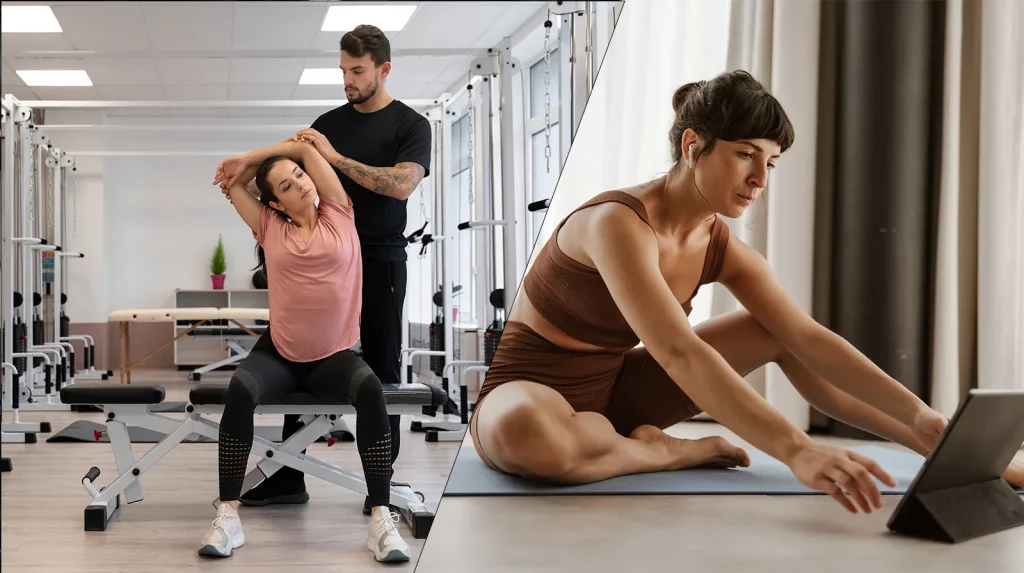
Online vs In-Person Personal Training: Which Costs More?
Here, we’re looking at online and in-person training from a cost perspective. If you want the full comparison, including comfort, accountability, safety, and workout style, we cover that in our guide to in-person training vs. online training.
For this Toronto cost guide, we’ll focus on the factors that can have the biggest impact on how much you pay for personal training in Toronto.
Why In-Person Training Usually Costs More in Toronto
If you’ve started comparing personal trainers in Toronto, you’ve probably noticed that prices can vary quite a bit. The average cost of a personal trainer in Toronto is a useful starting point, but it does not tell the whole story. Two trainers may charge very different rates for reasons that are not always obvious at first glance.
- Package policies and expiry dates: Before buying a package, ask about expiry dates, pause rules, refunds, and whether unused sessions can transfer to another trainer. A lower per-session price is not much of a bargain if your schedule makes it difficult to use the sessions you paid for.
- Availability: Early mornings (6–9 AM), evenings (5–8 PM), and weekend mornings are often the first time slots to fill up in Toronto. If you can only train during those peak hours, you may have fewer lower-cost options available and may need to book further in advance.
- Facilities: Trainers who work in premium gyms or private studios with amenities like pools, saunas, recovery areas, or specialized equipment often charge more because facility costs are built into the overall service.
- Workout planning: Not all coaching feels the same. Some trainers give quick cues, while others stay hands-on, checking every rep. The more personalized the plan, the higher the rate.
Why Online Training Prices Can Be Lower
Online coaching has grown rapidly in 2026, and many people still ask if something this affordable can really work. Online coaching can be a good option, but check what is actually included before you compare prices. Some trainers offer live video sessions, form feedback, progress tracking, and check-ins. Others may only send a workout plan.
Before committing, ask how the trainer checks your form, adjusts exercises, and supports you between sessions. A free consultation can help you test the fit before paying for a package. If you want real examples, you can compare affordable personal trainers in Toronto on Happy Trainers by price, specialty, and coaching style.
Extra Services
The real personal trainer cost in Toronto isn’t always limited to the workout itself. Some extras can be useful, but they should be clear before you pay.
- Nutrition plans: Some trainers include basic nutrition tips, while a personalized meal plan can cost extra. In Toronto, standalone meal plans often fall around CA$100 to CA$150, while dietitian-led packages with sessions and follow-ups can reach CA$350 to CA$500+.
- Supplements: Some gyms or coaches may suggest supplements, but they should be optional. If supplements are part of the conversation, ask whether they are required, recommended, or completely separate from the training cost.
- Body composition scans: Tools like InBody or DEXA scans can help track changes in muscle, fat, and overall body composition. In Toronto, these assessments often cost around CA$60 to CA$120, though some facilities include them in training packages.

How to Save Money on Personal Training in Toronto
Want to make the most of your fitness budget? These options can help you cut costs while still keeping your training on track.
If you want to start with lower-cost options first, some online platforms like Happy Trainers include budget-friendly coaches with rates starting around CA$5 per session. At the same time, prices can vary across Toronto depending on the trainer, format, and level of support. Comparing different Toronto personal training services can help you understand what is actually included at different price points.
Mixing online and in-person sessions
Hybrid training can be a practical way to lower costs without giving up expert guidance. If personal trainer rates in Toronto feel out of reach for weekly one-on-one sessions, a hybrid approach may offer a more affordable alternative. You can use occasional in-person sessions to check your form and adjust your program while doing most of your training online.
What people often forget is that hybrid training also solves a lot of everyday problems:
- Seasonal shifts: Maybe you prefer outdoor workouts in the summer and online coaching in the winter. A hybrid approach lets you adjust without overpaying.
- Customized spending: Think of it like building your own fitness package. Add in-person sessions when you need more guidance and scale back when you’re feeling confident.
- Smarter progress checks: Occasional in-person sessions can help catch form mistakes before they become habits and give you direct feedback when you need it.
When asking, “How much does a personal trainer cost in Toronto?”, it’s also worth thinking about how often you need coaching and what type of support will help you stay consistent.
Group Training
What if your workout felt more like hanging out with friends?
Exercising with others can push you harder and make workouts more enjoyable. For some people, training starts to feel less like a chore and more like something they actually look forward to.
It’s not just about saving money. Group workouts can help people stay consistent thanks to the social support that comes from training with others. Small-group training can be a more affordable option than some online personal trainer prices, especially when the group is larger.
Package Deals
Many personal trainers in Toronto offer package deals. When you pay for several sessions upfront, you often get a discount.
- Cost savings. Buying 5, 10, or 20 sessions at once can reduce the per-session rate by 5% to 15%.
- Consistency. Pre-booked sessions make it easier to show up and stay on track.
- What’s included: Some packages include extras such as nutrition guidance, progress check-ins, or program updates.
One thing to watch out for: Prepaid sessions can be tricky to cancel or reschedule. Before committing, ask whether sessions expire, can be paused, or can be refunded if your schedule changes. A package only saves money if you can actually use all the sessions.
Red Flags: When Not to Spend on a Trainer
The cost of training only makes sense if you’re working with the right trainer. Knowing these warning signs can save you money and help you find the best personal trainer in Toronto:
- Lack of credentials: If a trainer cannot show valid certifications or clearly explain their qualifications, be careful.
- Unrealistic promises: Quick fixes or guaranteed extreme results rarely last. Real progress takes time.
- Poorly structured workouts: Sessions that feel random or change completely every time can make it hard to measure progress. Some Reddit users have mentioned this exact problem.
- Poor communication: Your trainer should make you feel comfortable asking questions and speaking up when something doesn’t feel right.

Finding the Right Fit, Not Just the Right Price
By now, you’ve probably decided which training style works best for you. Imagine you’ve already started training, but something feels off or you’ve spotted some of the red flags mentioned earlier. Should you just quit fitness? (Spoiler: the answer isn’t buying a bigger couch.)
Choosing a Trainer Who Fits Your Style
When you choose a fitness coach who fits your style and schedule, you’re saving more than time and money. Instead of bouncing between random programs and paying extra, you are more likely to start with a plan that fits your current level.
One of the biggest mistakes people make is hiring someone without the right skills. Poor technique doesn’t just stall progress; it can lead to injuries that cost far more than the sessions themselves. That’s why both coaching quality and personal trainer cost in Toronto should factor into your decision.
A good personal trainer should:
- Focus on recovery as much as workouts
- Use science-based training, not trends
- Be clear about pricing and packages
What If You Pay for a Trainer and It’s Not a Good Match?
Sometimes, even with a qualified trainer, the sessions just don’t click. If that happens, start with a simple conversation.
- Share what’s bothering you. Whether it’s pain, unclear communication, or progress that feels stuck. The more open you are, the easier it is for them to adjust.
- It also helps to talk about your lifestyle. Long hours at a desk, late shifts, or commuting can all affect training. Mention past injuries or joint pain, too; those details keep your plan safe and realistic.
- If things still feel off, suggest small changes. Try a short trial with clear goals, like reducing knee pain during squats. That way, you can test adjustments.
- Before walking away, check how your package works. Some gyms allow refunds or transfers, while others do not. Focus on the overall value you’re getting, not just the refund policy.
- Don’t forget to look at your own role. Skipped sessions or missed recovery advice can also slow progress. If you decide to switch trainers, take a moment to consider what you liked, what you didn’t, and what you’d like to do differently next time.
Reviews can help, but pay attention to specific details such as communication, reliability, and whether clients with similar goals were happy with their results.
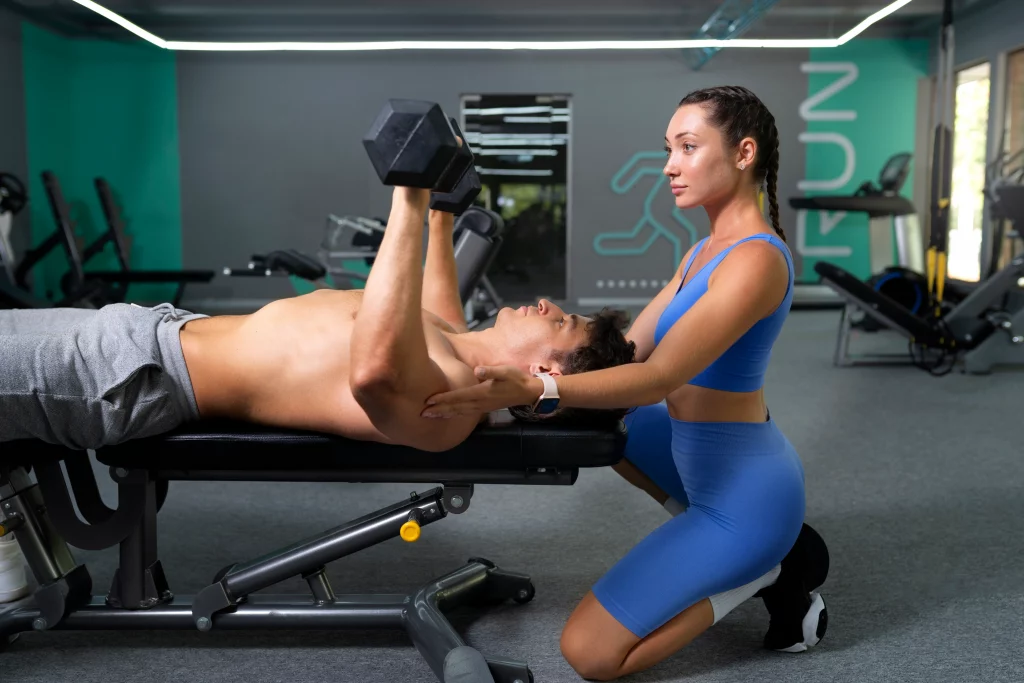
Conclusion
When it comes to personal trainer costs in Toronto, there is no single number that works for everyone. Your final cost depends on what you need most, such as in-person support, online coaching, group training, or a package with extra guidance. But here’s the good news: if in-person training feels out of reach, it doesn’t mean your fitness journey stops.
What matters most is fit. The best trainer is the one who matches your lifestyle, mindset, and long-term goals. For many, online coaching offers the right balance: flexible, affordable, and easy to stick with.
If you plan smart, Toronto fitness trainer costs don’t have to hold you back, and you can still see steady progress. Focus on what you need, communicate openly with your trainer, and choose support that feels sustainable. That’s the real path to results.
Sources
Personal training price sources used for the table:
- Fit Factory Fitness, Recess Fit Club, TrainerPro, Nielsen Fitness, Fitness on the Go, Your House Fitness
Additional cost references:
- In-body scan — TO Kinesiology
- Meal Plan and Nutrition Pricing — JM Nutrition
- Nutrition Coaching Packages — MA Nutrition Co.
- Meal Planning Packages — Centred Nutrition Collective
Gym membership references:
- Gym Memberships — Planet Fitness Canada
- Fitness Membership Fees — City of Toronto FitnessTO
- Central YMCA Membership Pricing — YMCA GTA
- Toronto Membership Pricing — Equinox Bay Street / Yorkville
Tax reference:
Community Discussion: