

Online personal training has changed the way people approach fitness. You no longer have to follow a fixed gym schedule or stay in one location—you can now work with a qualified trainer from anywhere. For busy professionals, frequent travelers, or anyone who prefers training at home, this flexibility makes staying consistent much easier.
What sets virtual personal training apart is the combination of expert guidance and convenience. Through apps and video platforms, trainers design personalized workout plans, provide instant feedback and check-ins, helping you stay consistent wherever you are.
This guide walks you through how virtual personal training works. You’ll learn what to expect in your first sessions, along with the key benefits and challenges to keep in mind. By the end, you’ll know if it’s the right fit for your goals, lifestyle, and budget.
What is Online Personal Training?
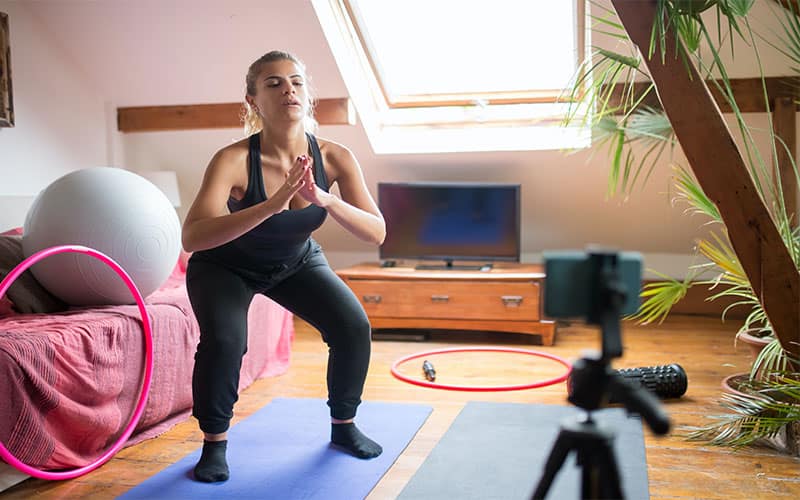
With online personal training, you work with a certified coach using digital tools—rather than meeting face-to-face in a gym. Most programs begin with an initial assessment. From there, your trainer builds a personalized workout plan based on your goals, schedule, and available equipment.
Sessions can take place through video calls, remote coaching apps, or even recorded workout feedback. Trainers also stay in touch with clients through messaging platforms to answer questions, track progress, and provide motivation. Whether it’s one-on-one coaching or small group sessions, the process is flexible and designed to keep you consistent.
In short, this is how virtual personal training works: it combines professional guidance with the convenience of training wherever and whenever you want. For busy people juggling work, travel, or family, it provides the same level of expertise as in-person training while letting you train from anywhere.
Online vs. In-Person Training
Your choice between virtual fitness training and traditional sessions usually comes down to three things: convenience, cost, and how much you value face-to-face coaching. Both approaches have strengths and limitations, and understanding them side by side makes it easier to decide:
| Feature | In-Person Training | Online Personal Training |
| Accessibility | At a gym or studio | Train anywhere with an internet connection |
| Trainer Interaction | Direct, hands-on guidance | Virtual via video calls, messaging, or apps |
| Cost | Usually higher because of gym fees and overheads | More affordable with flexible pricing options |
| Customization | Personalized with real-time adjustments | Personalized, but requires more self-discipline |
| Flexibility | Limited to trainer’s schedule and gym hours | Highly flexible; train at your preferred time and place |
In short, online personal training works best if you want flexibility and lower costs. In-person sessions are better if you need hands-on guidance. Many people even choose a hybrid model to enjoy the benefits of both.
The Advantages of Training Virtually
The benefits of online fitness training go beyond convenience. It’s a practical option for people at every fitness level. Here’s a closer look at the key advantages that virtual training brings.
1. Access to a Wide Variety of Trainers
With online training, you’re not limited to local gyms—you can work with virtual fitness trainers worldwide who specialize in your goals. This makes it easier to find an online personal trainer who matches your specific goals, such as:
- Strength training experts: Focused on building muscle and improving overall strength.
- Rehabilitation specialists: Perfect for those recovering from an injury or needing corrective exercise.
- Cardio and endurance coaches: Designed to improve stamina and heart health.
- Niche virtual trainers: Whether it’s bodyweight training, Pilates, or yoga, online coaching gives you access to programs that local gyms may not offer.
With so many online personal trainers to choose from, it’s easier to find someone who matches your goals and training style.
2. Anywhere, Anytime
One of the biggest advantages of virtual personal training is the flexibility it provides. While in-person training ties you to gym hours, virtual fitness training allows you to train at the time and place that suits you best.
You can fit in a workout at home before work, in your hotel room while traveling, or even outdoors with minimal equipment. There’s no commute, no waiting for machines, and no fixed timetable—training adapts to your lifestyle. This kind of freedom makes it easier to stay consistent, which is one of the most important factors in achieving long-term results.
3. Accountability and Motivation
One of the key benefits of online personal training is that it keeps you accountable, even from a distance. Trainers use regular check-ins, workout tracking, and instant messaging to follow your progress and celebrate small wins. Many programs also include tracking apps, so both you and your trainer can measure results and adjust routines as needed. Weekly or biweekly video calls give you extra support. They keep you motivated and let you tackle challenges in real time.
Research from the American Council on Exercise confirms that accountability is a major factor in exercise adherence. Knowing your trainer expects regular updates makes skipping sessions much less likely. If you struggle with consistency, virtual fitness training gives you steady encouragement and clear structure. This makes it easier to follow a plan and see long-term results.
4. Cost-Effectiveness
One big advantage of online personal training is that it’s usually more budget-friendly than in-person coaching. Trainers don’t need to cover gym overheads, so they can offer lower rates and flexible plans. If you’d like to see how these prices compare in detail, check our guide on online personal trainer costs in 2025.
Typical pricing models include:
- Monthly subscriptions: flat fees that cover programming, check-ins, and ongoing support.
- Pay-per-session: flexible payment where you pay only for each session you attend.
- Full program packages: a one-time payment for a complete plan (e.g., a 12-week transformation).
💡 Pro tip: Group sessions make training even more affordable, letting you share costs while still receiving structured guidance.
Are There Any Challenges?
Training online with a fitness coach has many advantages, but it also comes with some challenges. Being aware of these limitations will help you decide if it’s the right fit for your needs.
1. Limited Personal Interaction
A key drawback of online training is the lack of hands-on support. In-person trainers can physically adjust your posture, give instant corrections, and provide tactile feedback—especially valuable for beginners. Online, coaches depend mostly on verbal cues and visual observation, which makes it harder to guarantee proper form.
For those new to exercise, learning correct technique without face-to-face guidance can feel challenging. Many online coaches share video demonstrations or review recorded workouts. Still, it’s not the same as having a trainer right beside you.
💡 Solution: If you’re worried about your form, book a few in-person sessions with a local trainer to build a solid foundation. Once you’re comfortable with the basics, you can transition to online training with more confidence in your technique.
2. Motivation Challenges
Without the physical presence of a coach, many people struggle to maintain motivation. The energy and direct support of a trainer in the gym can be motivating, while online personal training may not deliver the same impact. For those who thrive on social interaction and real-time feedback, virtual training may demand more self-discipline to stay consistent.
💡 Tip: If motivation is a concern, work with a virtual fitness trainer who does offer regular check-ins. You can also join group classes to gain community support and shared goals.
3. Technical Difficulties
Technical issues can sometimes disrupt online personal training sessions and affect the overall experience. Poor internet, app glitches, or audio and video problems can disrupt your workouts. This is especially frustrating for clients who aren’t comfortable with technology. Research from late 2024 confirms that such technical glitches can negatively impact virtual training experiences and client satisfaction.
💡 Tip: Check your setup before every workout, stick with trusted platforms, and prepare a backup plan—switch to audio-only or use a hotspot when needed.
4. Limited Equipment Access
One challenge with online personal training is that not everyone has access to the same equipment found in a gym. To do heavy strength training, you often need benches, barbells, or cable machines—gear that many home setups lack. Without these, your workout variety may feel limited, and progressing with heavier loads can be harder.
The good news is that trainers in virtual fitness programs are skilled at offering alternatives. Online coaches often adapt exercises with body weight, resistance bands, or everyday items like water bottles and towels. An online coach can suggest affordable starter equipment so your workouts stay effective without a full home gym.
5. Not Ideal for Specific Goals
While online personal training offers flexibility and convenience, it may not always be the best option for every goal. Some fitness goals—like post-injury rehab, Olympic lifting, or learning complex techniques—work better with hands-on coaching, where a trainer can give real-time adjustments and guidance.
For advanced or highly specialized goals, a hybrid approach can be effective. You can do most of your workouts through virtual training and schedule in-person sessions once in a while to improve form and technique. This way, you enjoy the convenience of online coaching while still getting the direct feedback you need to progress.
What to Expect in Virtual Training Sessions
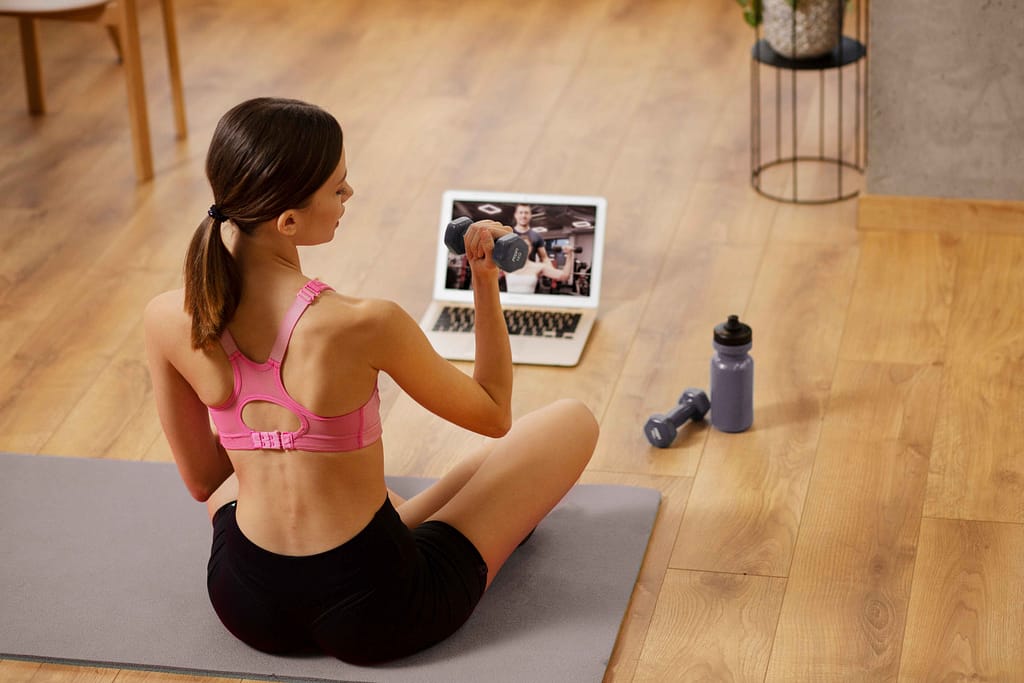
Trainers design these sessions to provide guidance, support, and motivation while letting you train in a flexible, online format. Here’s what you can expect from personalized workout plans to real-time feedback and progress tracking.
Initial Assessment and Goal Setting
Every virtual personal training program starts with an initial assessment. In this stage, your trainer learns about your background, health, and goals—usually through a video call or detailed questionnaire. The information collected here forms the foundation of your personalized plan.
- Fitness background: Your trainer will ask about your workout history, current activity level, and any previous injuries.
- Health conditions: Trainers consider any medical or physical limitations to ensure the program is safe and effective.
- Goal setting: Here, you and your trainer set clear goals. They might be weight loss, building strength, or improving flexibility—and you’ll track them together.
Example goal: “Lose 10 pounds in three months while improving overall stamina.”
With these details, your coach can design a plan that matches your lifestyle, keeps you accountable, and sets you up for steady progress.
Custom Workout Plans
Once the assessment is complete, your trainer builds a custom plan for you—designed around your fitness level, personal goals, and the equipment you have. Instead of a generic routine, you’ll receive a program that guides you week by week.
Key components of a custom program include:
- Clear weekly schedule: Outlines training days, workout types, and rest days for balance and recovery.
- Step-by-step exercise guidance: Detailed instructions or demo videos to ensure proper form and technique.
- Progression plan: As you improve, your trainer will adjust the intensity, add new movements, or change reps and sets to keep you challenged.
For example, if your goal is strength training, your plan may begin with compound lifts like squats and deadlifts. Over time, your trainer will increase the weight or volume to keep you progressing.
💡 Pro tip: Record short clips of your workouts and send them to your trainer for instant feedback on form. This makes virtual fitness training just as effective as having a coach by your side.
Live Training Sessions
For those who prefer more direct guidance, many trainers now offer online personal training sessions through live video calls. These virtual workouts mimic the structure of in-person training while keeping the convenience of exercising from home. Your trainer will usually host sessions using platforms like Zoom, Skype, or FaceTime. Here’s a quick video guide that shows how a typical virtual personal training session works.
Types of Virtual Sessions:
- One-on-One Sessions: You’ll get one-on-one attention, instant feedback on your form, and a program built around your needs.
- Group Sessions: Less individualized, but more affordable, while adding a sense of community, accountability, and shared motivation.
Ongoing Support and Check-ins
A major benefit of online personal training is the ongoing support that keeps you motivated and accountable. Trainers don’t just design a plan and walk away. They stay connected to guide your progress at every step.
Common support methods include:
- Video calls: Weekly or biweekly sessions to review progress, adjust intensity, and troubleshoot challenges in real time.
- Messaging apps: Quick check-ins, encouragement, and reminders sent through platforms like WhatsApp or built-in coaching apps.
- Progress reports: You’ll get progress reports that highlight your wins and guide you on what to improve next.
These check-ins make sure you’re never training in isolation. Your coach can adapt workouts based on your schedule, energy levels, or progress, helping you stay consistent and move closer to your goals.
Progress Tracking and Adjustments
In online personal training, progress tracking helps you stay motivated and see steady improvements. Track workouts, measure progress, and review performance with your trainer. This helps you see what’s working and change your plan when necessary.
A newer 2024 study in Frontiers in Sports and Active Living found that digital tools—such as video check-ins and remote monitoring—are highly effective for keeping clients engaged in online personal training over the long term.
Tracking tools include:
- Workout logs: Record sets, reps, and weights.
- Fitness assessments: Simple tests to track strength, stamina, or flexibility.
- Progress photos: Periodic pictures that highlight visible changes.
Trainers use this feedback to increase intensity when you’re ready or scale back when you need recovery.
How to Choose a Good Coach
Choosing the right online personal training coach is key to making real progress. A qualified trainer provides not only expertise but also the motivation and support to help you stay consistent. When deciding, think about factors like certifications, experience, and communication style.
For a full step-by-step guide, see our detailed article: How to Find a Personal Trainer. It walks you through everything from setting your goals to evaluating potential trainers so you can make the best choice.

Conclusion
Online personal training offers a flexible, cost-effective way to reach your goals, no matter your location. Whether you’re new to fitness or an experienced athlete with specific targets, the virtual format makes it easy to follow a program that truly fits your lifestyle. If you’d like to explore this approach further, you can find certified online coaches on Happy Trainers who can guide you along the way.
💬 Have you ever tried online personal training or thought about working with a virtual coach? What worked for you—and what didn’t? Drop your thoughts in the comments below. Your story might inspire someone else to take the first step!