
Night walking became an unexpected adventure for me one warm summer evening, when my friend and I decided to swap our usual daytime walks for something different. The city felt calmer, the air cooler, and the glow of streetlights gave everything a new kind of magic. But our first steps into the world of night walking weren’t as simple as we imagined.
Within minutes, we realized there was more to it than just lacing up our shoes and heading out. Dimly lit streets, uneven paths, and the constant need to stay alert made us wonder, were we really prepared for this? That night was the beginning of a journey full of lessons, small victories, and a few mistakes along the way.
That night changed how I looked at walking after dark and showed me how unprepared we really were.
First Experience & Challenges
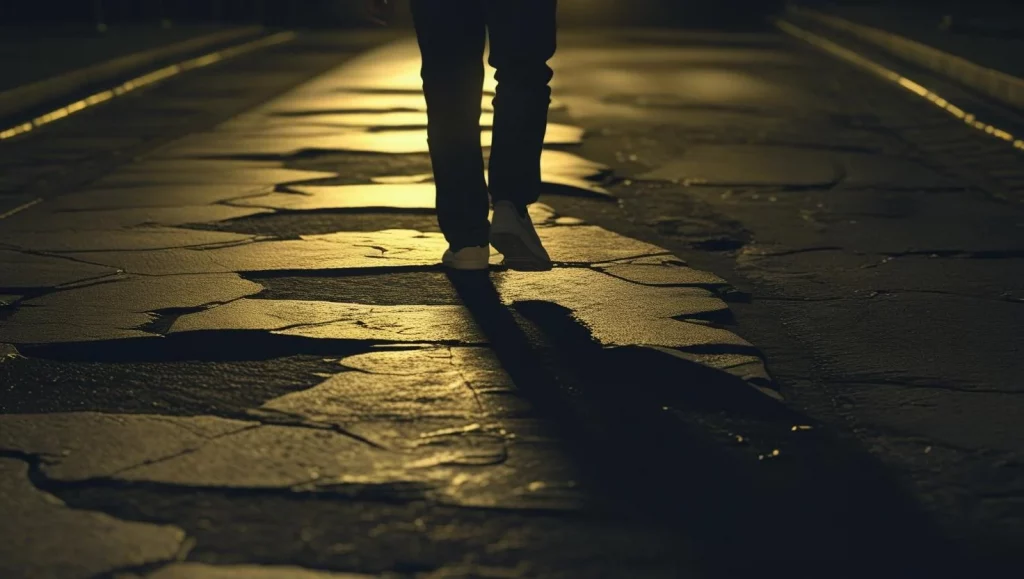
Our very first night walk was both exciting and a little nerve-wracking. We chose a quiet route near my friend’s neighborhood, thinking it would be peaceful and safe. At first, it was exactly that, the sound of waves from the nearby beach, the cool night breeze, and the soft glow of distant streetlights.
But it didn’t take long for the challenges to appear. Some parts of the path were barely lit, making it hard to see uneven surfaces. A couple of cyclists passed by so quickly that we barely had time to move aside. We also realized that our usual daytime pace felt harder to keep at night; maybe it was the cooler air, maybe the uneven terrain, or maybe just our lack of preparation.
That walk taught us an important lesson: night walking isn’t just about picking a time of day, it’s about knowing your environment, being aware of safety, and understanding your own limits. It was clear we needed a better plan if we wanted to make night walking a regular, enjoyable habit.
Getting Help from a Trainer
After a few weeks of night walking, we realized something was missing. We were consistent, but unsure. Some nights felt too hard, others too easy, and we kept guessing whether we were doing it right.
We didn’t need a full fitness overhaul. We just wanted clarity. That’s when we decided to get guidance from an online personal trainer. Not to change our routine, but to fine-tune it.
She helped us adjust a few simple things we had overlooked:
- Our walking pace on uneven paths
- Warm-ups and cool-downs before and after each walk
- Footwear that offered better grip at night
- Route choices based on lighting and visibility
I had already read plenty of tips online, but most of them felt too general. Our trainer showed us how those ideas actually applied to our routes, our pace, and even the lighting conditions we walked in. Small adjustments, like slowing down slightly on uneven paths instead of pushing speed, made a bigger difference than we expected.
What changed most wasn’t the walk itself. It was the confidence. We stopped guessing and started moving with purpose.
Night Walking Tips I Learned Along the Way
Over the weeks, our night walks became smoother, safer, and much more enjoyable, thanks in large part to the guidance of our online trainer. She didn’t just hand us a list of generic tips; she built suggestions around our lifestyle and the routes we loved most. Here are some of the most valuable lessons we learned:
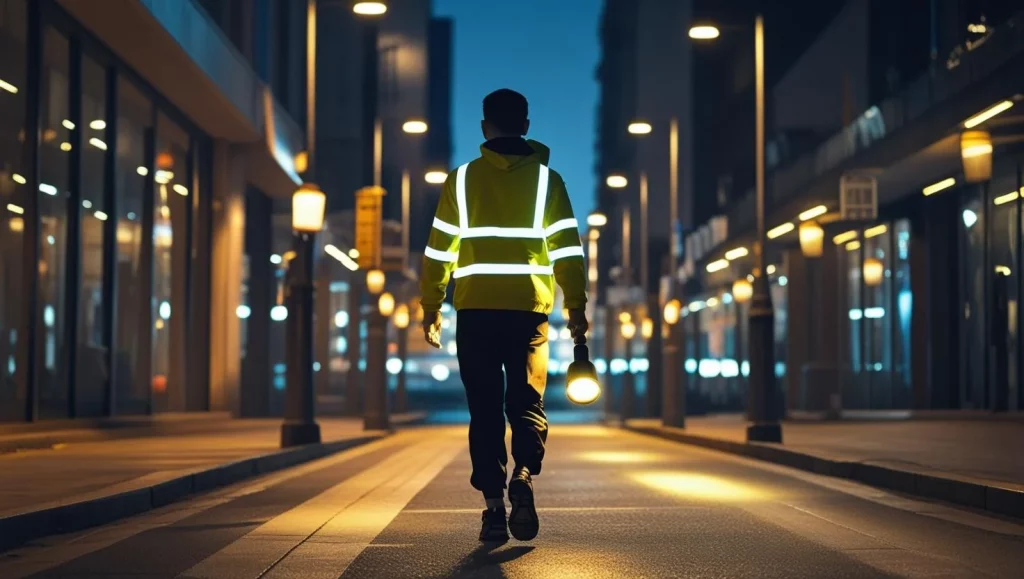
1. Wear reflective clothing and lights
Night walking means sharing the road or paths with cyclists, runners, and sometimes cars. Bright, reflective gear and a small headlamp made a huge difference in keeping us visible.
2. Pick routes with good lighting
Our trainer encouraged us to map out well-lit areas in advance. Even if a darker route seemed peaceful, visibility was always the priority.
3. Warm up and cool down
Before, we would just start walking right away. Now, we spend five minutes stretching before and after our walks. According to our online coach, this prevents muscle stiffness and helps recovery.
4. Keep a steady pace
Instead of starting fast and slowing down halfway, we learned to keep a moderate, consistent pace, the kind that lets you talk but still makes you feel like you’re working.
5. Walk with a partner
Walking with someone you trust adds both safety and motivation. On nights when we felt lazy, having a walking partner made all the difference.
None of these changes felt dramatic on their own, but together they slowly changed how our night walks felt and how much we enjoyed them.

Benefits of Night Walking
The benefits didn’t show up all at once. They were subtle at first and easy to miss if you weren’t paying attention. I noticed I fell asleep faster on the nights we walked. Not deeper in some dramatic way, just calmer. My legs felt less heavy the next morning, and my body needed less convincing to move.
Mentally, night walking gave my thoughts some space. Without daytime noise, notifications, or expectations, it became easier to breathe, think, and let the day settle. Some walks were quiet. Others were full of conversations that felt lighter than they would have during the day.
Over time, the walks stopped feeling like exercise I had to fit in. They became a pause between the day and sleep. Something steady. Something familiar. And that consistency mattered more than any single benefit on its own. In a quiet way, night walking brought better sleep, a lighter body, and a calmer mind, all without feeling like another task on my to-do list.
Extra Tips for Those Who Can’t Walk at Night
Of course, night walking isn’t possible for everyone. Maybe your work schedule doesn’t allow it, or you live somewhere where walking after dark isn’t the safest choice. That doesn’t mean you can’t enjoy the same benefits.
Our trainer often reminded us that consistency matters more than the time of day. If evenings aren’t an option, try an early morning walk instead, the air is fresh, the streets are quieter, and you’ll still get that mood-boosting start to your day.
For those who prefer staying indoors, a treadmill can be a great alternative. You can adjust the incline to mimic outdoor terrain, listen to your favorite playlist, and walk at a pace that challenges you without worrying about weather or traffic. And if you want to stay active on days when you can’t walk, try adding a few exercises to do every day to keep your body moving and your energy levels up.
The key is to keep moving. Whether it’s under the stars, in the early morning sun, or right in your living room, staying active will still give you the energy, mental clarity, and health benefits you’re looking for.

Conclusion
Looking back, our night walking journey has been more than just exercise; it’s been a reminder that small, consistent habits can transform both body and mind. What started as a casual idea turned into a routine we genuinely love, and it wouldn’t have been the same without the lessons we learned along the way.
If you’ve been thinking about giving night walking a try, start small, stay safe, and pay attention to what works for you. Before you know it, you might find yourself looking forward to those quiet, moonlit miles just as much as we do.
💬 That’s my journey, but now I’d love to hear yours. Have you ever tried night walking? What’s your favorite part about it, and what challenges have you faced along the way?
