

Losing inches but not weight can be confusing and even discouraging, especially when you’re sticking to your workouts and healthy meals. Your body feels tighter, your clothes fit better, but the scale just won’t move. It feels like you’re working out but not losing weight—and that can be frustrating.
If this sounds familiar, you’re not alone. This common experience is often a sign of body recomposition, where you’re burning fat and gaining muscle at the same time. In this article, we’ll break down the real reasons behind this and explain what you should measure instead of just your weight.
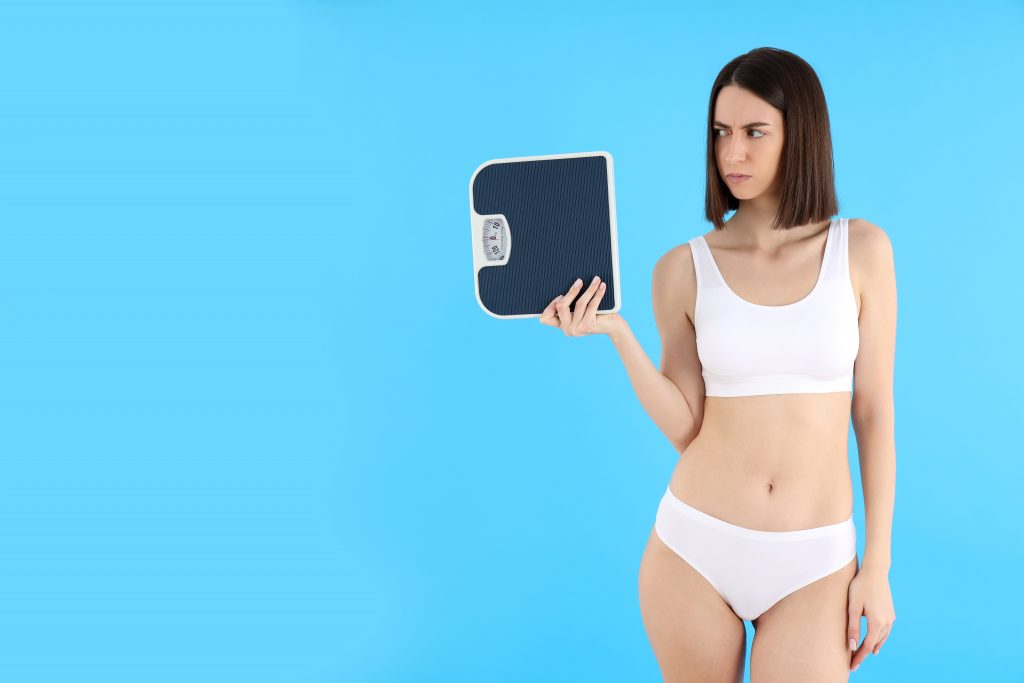
Why Losing Inches but Not Weight Happens
You might find yourself wondering, “Why am I losing inches but not weight?” Before you get discouraged by the number on the scale, ask yourself this: Is that number really telling the full story of your progress?
What you’re seeing might not be about weight at all. Your body weight includes everything—muscles, bones, fat, water, organs, and even food in your stomach. That’s why focusing only on weight can be misleading. What really matters is fat loss vs weight loss, and sometimes, body recomposition.
The goal isn’t just to be lighter—it’s to be healthier, leaner, and stronger, even if you’re losing inches but not weight.

You May be Losing Fat and Building Muscles at the Same Time
Following a fat-loss plan that includes strength training can result in simultaneous muscle gain and fat loss. Muscle tissue is denser than fat, so as you build muscle and lose fat, you might not lose weight—but you’ll lose inches instead. This process is called body recomposition, and it’s well-supported by fitness research.
A pound of muscle takes up less space than a pound of fat, which is why your body measurements may decrease even when the scale doesn’t change.
If this is what’s happening, there’s no need to change your diet or workout plan—even if it feels like you’re working out but not losing weight.
Your Bone Density Might be Increasing
Weight training can increase your bone density, making your bones stronger—and slightly heavier. While this weight gain is minimal, when combined with increased muscle mass, it can make the number on the scale appear unchanged. But don’t worry—this is actually a sign of progress. In addition to building muscle, strength training enhances the health of your skeletal system. So even if you’re not losing weight but are losing inches, you’re still becoming healthier and more resilient.
It Might be Just Water Weight
Our bodies tend to retain water due to factors like high sodium intake, hormonal fluctuations, certain medications, or elevated stress levels. Our bodies tend to retain water due to factors like high sodium intake, hormonal fluctuations, certain medications, or elevated stress levels. Research shows that reducing sodium consumption and increasing potassium intake can help reduce water retention—in fact, multiple randomized controlled trials have demonstrated that both lowering sodium and boosting potassium intake effectively reduce fluid retention and lower blood pressure.
Water retention can add up to 5 pounds to your weight. Fortunately, this is temporary—and your body will return to normal once the root cause is addressed. If the scale isn’t moving but your body looks leaner, you might not be losing weight but rather losing inches due to excess water.
Here are some tips to reduce water retention:
- Eat less salt
- Get more magnesium from foods like nuts, whole grains, dark chocolate, and leafy green vegetables.
- Increase your vitamin B6 intake with bananas, potatoes, chickpeas, walnuts, and tuna.
- Eat potassium-rich foods like bananas, oranges, avocados, and tomatoes.
- Cut down on refined carbs (white bread, pasta); choose whole grains instead.
- Walk and exercise more.
Whatever you do, don’t lower your water intake. Your body needs adequate hydration to stay healthy and burn fat. Sometimes, the scale reflects water—not fat or muscle.
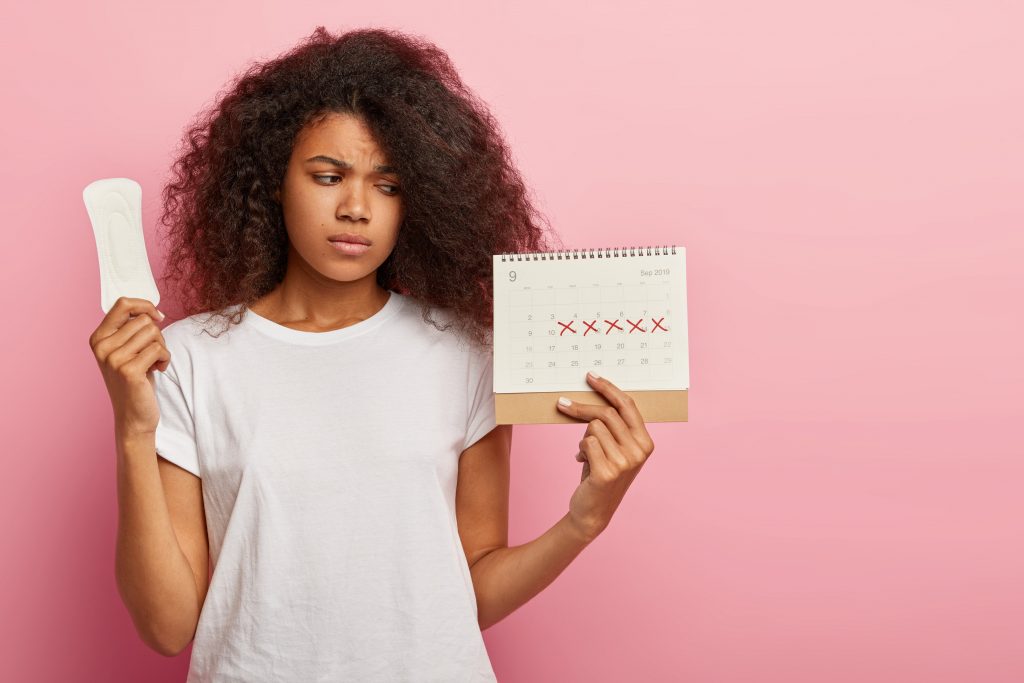
You May Be Going Through Hormonal Changes
A weight-loss journey comes with ups and downs—especially for women—due to hormonal fluctuations throughout the menstrual cycle. Research shows that these shifts can lead to temporary weight gain, primarily caused by water retention. To track your progress more accurately, try weighing yourself during the same phase of your cycle each month. This can help you avoid confusion from cyclical weight changes unrelated to fat loss.
Sometimes, even when your body is visibly changing, the scale may not reflect those changes. That’s perfectly normal and nothing to worry about—especially if you’re not losing weight but losing inches.
Your Body May Be Suffering From Chronic Inflammation
Chronic inflammation—triggered by factors like stress, poor sleep, certain medications, environmental pollutants, allergies, food intolerances, and diets high in refined carbs, gluten, sugar, and processed foods—is linked to obesity. Adopting an anti-inflammatory diet that includes fresh vegetables, fruits, olive oil, and omega‑3 fatty acids can help calm the body and support overall health. Chronic inflammation also contributes to digestive issues such as bloating, constipation, diarrhea, and stomach pain.
If you’re doing everything right but still wondering why the scale doesn’t budge—even though you may be losing inches—this invisible factor could be playing a role.
Here are some simple tips to reduce inflammation:
- Cut back on inflammatory foods like trans fats, refined sugar, and processed snacks.
- Eat more anti-inflammatory foods: leafy greens, berries, olive oil, spices like ginger and turmeric, and foods rich in omega-3s such as salmon, tuna, and walnuts.
- Exercise regularly.
- Manage your stress through yoga, meditation, or, if needed, therapy with a psychologist or psychiatrist.
- Identify and avoid foods you are allergic to or intolerant of.

You May Be Suffering From Hyperthyroidism
If none of the earlier strategies seem to work, an underlying medical condition—such as hyperthyroidism—might be disrupting your progress. This condition, caused by an overactive thyroid gland, can lead to unexplained weight changes, typically linked to shifts in metabolism and fluid retention.
According to the Mayo Clinic, symptoms of hyperthyroidism can be subtle and often mistaken for other issues, making medical diagnosis essential. If you suspect an underlying cause is affecting your results, consult a healthcare provider to rule out any hidden barriers to fat loss.
You May Have to Make Your Diet and Exercises More Intense
If you’ve been on a calorie-deficient diet for a long time, your body may adapt by slowing down your metabolism. This can lead to a weight loss plateau. It might even feel like you’re working out but not losing weight, which is frustrating—but common.
A 2024 meta-analysis by the CDC found that combining calorie restriction with physical activity is significantly more effective for weight loss than either strategy alone—particularly over short to medium time frames. A 2023 meta-analysis comparing HIIT and moderate-intensity continuous training found no significant difference in fat or waist reduction between the two. However, HIIT achieved similar results in less time, making it a more time-efficient option—even if you’re not losing weight but losing inches, the physical changes are still meaningful.
Using a bodyweight planner can help you stay on track—supporting fat loss without compromising muscle, energy, or health. Plateaus happen, but with smart adjustments, you can keep moving forward.
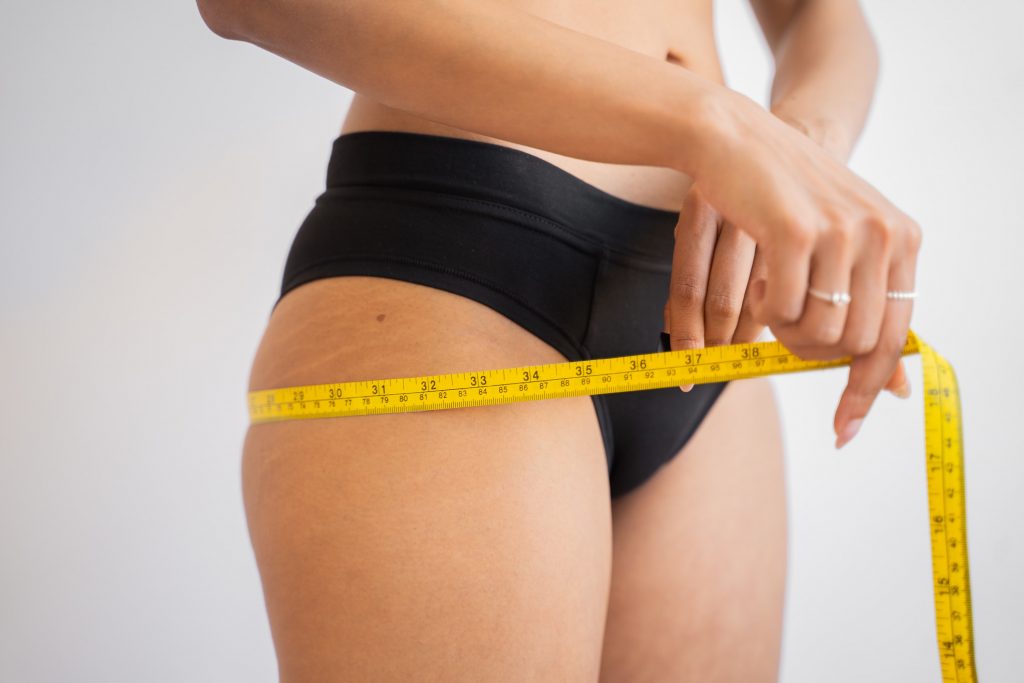
What Should I Measure When Trying to Lose Weight?
Realizing that your weight isn’t the most reliable measure of progress might feel unsettling—but there are better indicators that provide a more complete picture of your health. Let’s explore them:
Body Composition
What truly matters is your body composition—the balance of bone, muscle, and fat in your body. Two people might weigh the same but have entirely different compositions, which affects their health, appearance, and whether they’re actually losing inches or not.
Tools like bioelectrical impedance analysis (BIA) can estimate your muscle and fat percentages using a safe, low-level electrical current. This offers a much clearer picture of fat loss progress than weight alone.
Body composition is influenced by many factors—age, hormones, genetics, and physical activity. Without regular exercise, muscle mass naturally declines over time. That’s why tracking body composition is one of the most accurate ways to measure real fitness—not just numbers on a scale.
Body Fat Mass
Another helpful way to track your progress is by estimating your body fat percentage using an online calculator. These tools ask for simple measurements like waist, hips, and neck—areas where you may already be losing inches—and differentiate between essential fat (required for basic body functions) and stored fat in adipose tissue.
Based on ACE’s widely accepted standards, adult body fat ranges are categorized as follows:
| Description | Men | Women |
| Essential fat | 2-5% | 10-13% |
| Athletic | 6-13% | 14-20% |
| Fit | 14-17% | 21-24% |
| Average | 18-24% | 25-31% |
| obese | 25%+ | 32%+ |
These benchmarks give context to your numbers and help determine whether you’re progressing toward your fat loss goals—something the scale alone can’t do.
The Role of Genetics in Weight Loss
Your genes play a major role in how your body stores fat, burns energy, and reacts to your diet and workouts. Genetic differences can influence fat distribution, appetite control, and your metabolic rate—all factors that can affect how quickly or slowly you lose fat.
What You Can Do
While you can’t change your DNA, you can optimize your approach:
- Customize Your Approach: Choose workouts and nutrition plans that align with how your body responds—whether it’s strength training, cardio, or a combination.
- Prioritize Consistency: Progress may be slower for some, but steady effort always pays off.
- Seek Expert Advice: Work with a certified coach or dietitian to create a plan that fits your unique genetic profile.
Body Measurements
Beyond staying healthy, one of the main reasons we diet and exercise is to drop inches and feel more confident in our bodies. If you’ve ever wondered, “Why am I not losing weight but losing inches?”, that’s exactly why relying only on weight readings can be misleading. It’s much more helpful to track your progress through body measurements.
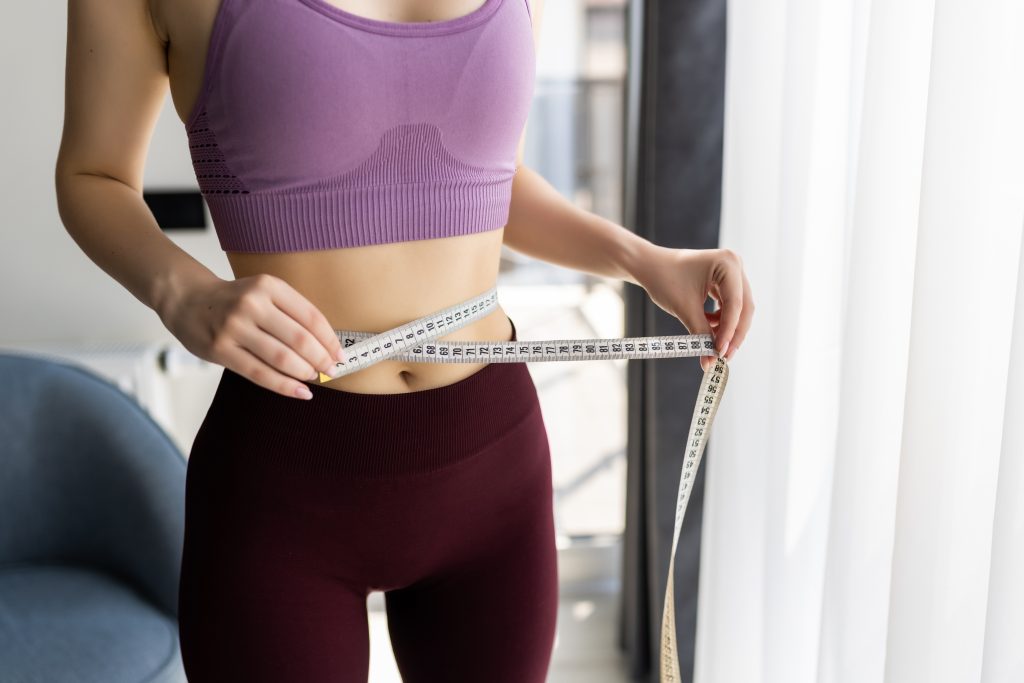
Once a week, stand tall with your feet together and weight evenly distributed. Use a flexible measuring tape to measure your chest, waist, hips, thighs, and arms. Keep a log of these numbers to track changes over time.
You can also take weekly progress photos in the same lighting, location, and time of day (ideally before breakfast). These non-scale victories often provide more motivation than the numbers ever could—and clearly show how your body is transforming.
Get Help from a Virtual Weight Loss Coach
Even with the best intentions, trying to lose weight on your own can feel overwhelming—especially when progress stalls or plateaus hit. That’s when the right support can make all the difference.
A certified virtual weight loss trainer helps you stay accountable, adjust your strategy, and stay motivated through every stage of the journey. Whether you want a structured plan, professional guidance, or just someone to keep you on track, working with an online weight loss coach might be exactly what you need to move forward with confidence.
What makes a coach so valuable is their ability to see the bigger picture. When you’re deep into your routine, it’s easy to lose objectivity—second-guessing your plan, changing too soon, or pushing too hard. A virtual weight loss coach brings clarity, balance, and expert insight to help you make smarter adjustments without the stress.
They also provide emotional accountability. It’s not just about the food or workouts—staying consistent is a mindset. A virtual coach checks in, tracks your progress, celebrates small wins, and helps you stay focused when motivation dips. That level of personal attention is exactly what you’d expect from the best online weight loss coach—not just someone who gives you a generic plan, but someone who really helps you follow through.
Final tips
For consistent results, weigh yourself in the morning before eating—but don’t let the scale dictate your mindset. Focus on sustainable habits like balanced nutrition, daily movement, and proper hydration. Use simple tools like food diaries or fitness apps to stay on track. And above all, remember: real progress is reflected in how you feel—not just in numbers. This is especially true when you’re losing inches but not weight.